Big Burn Inquiry Kit

How to use this page

This Big Burn Inquiry Kit highlights digital resources curated with Idaho educators in mind. This page features basic context about a specific Idaho historical event, highlighted librarian-curated items, and links to larger collections teachers and students can explore.

The larger collections used in this kit are: Big Burn Collection, Barnard-Stockbridge Photograph Collection, and Fire Lines.

About the Big Burn

The Big Burn Inquiry Kit is an online showcase of historical materials related to the unprecedented forest fires of 1910 that devastated much of northern Idaho and northwestern Montana. In proceeding years the fires came to be known as the “Big Burn” or “Big Blowup.” This teaching collection includes photographs, documents, first-person accounts, and oral histories pertaining to the fires, as well as the local and national responses to them.

Students are often interested to learn that a special kind of firefighting axe, still used widely today, was named after Edward Pulaski. Pulaski heroically saved many lives outside of Wallace, Idaho during the peak of the fires from August 20th to 21st, 1910.

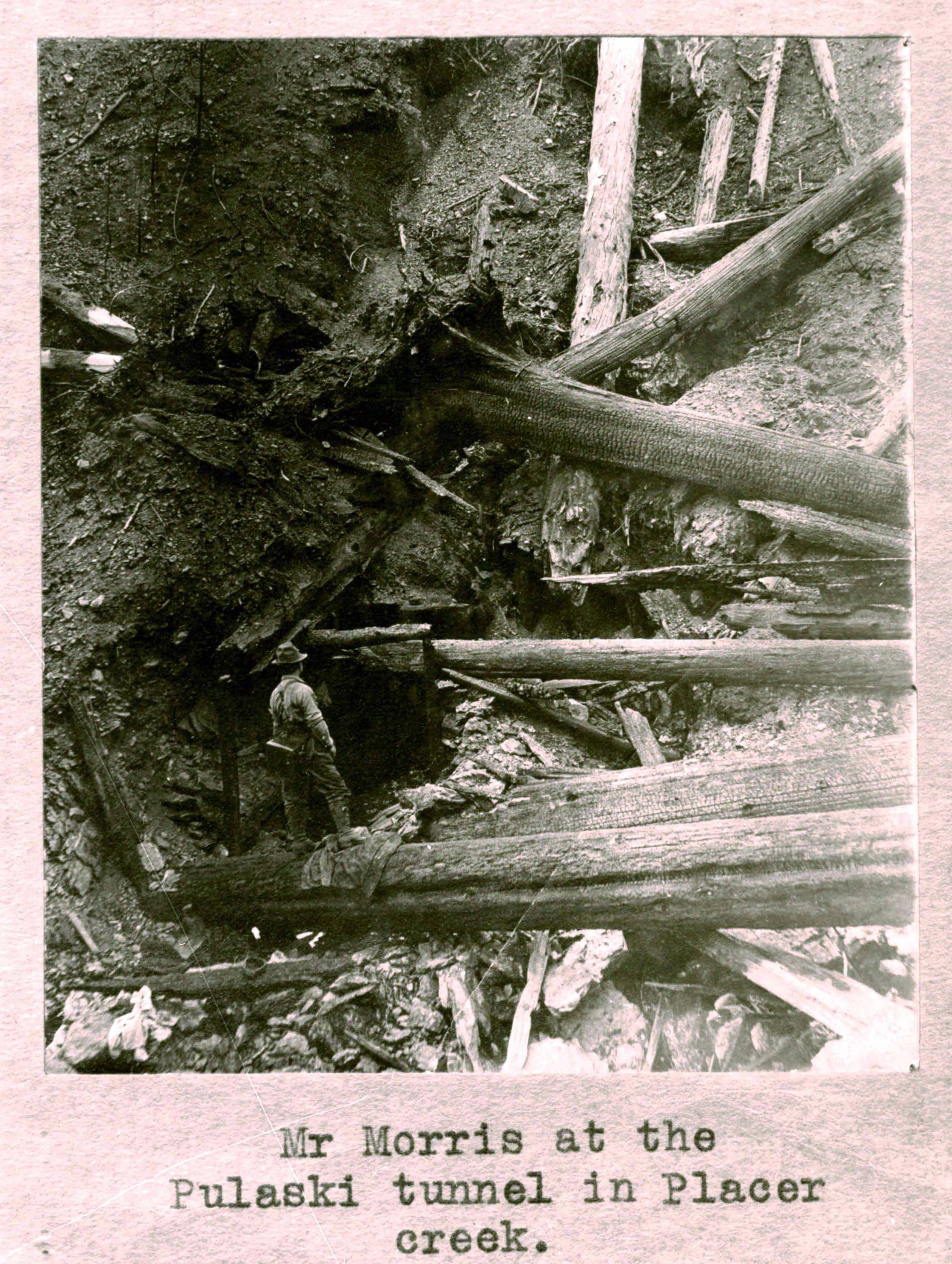
Forest ranger Edward Pulaski was leading a 45-man crew on August 20th, 1910 when forest fires overwhelmed them along Placer Creek, near Wallace, Idaho. In an act of quick thinking, Pulaski led his team to an abandoned mine tunnel to shelter from the intense heat and smoke of the flames. All but six men survived thanks to his leadership and knowledge of the forest and fire. The conditions he saw during the 1910 fire inspired him to invent the Pulaski firefighting axe, which has a broad horizontal blade on one side for digging and a sharp vertical blade on the other for chopping.

Another point of connection for students comes from learning about the courageous work of 4,000 soldiers in the 25th Infantry sent to Avery, Idaho to rescue residents. The segregated regiment of troops, known collectively as the “Buffalo Soldiers 1,” left a lasting impact in the region.
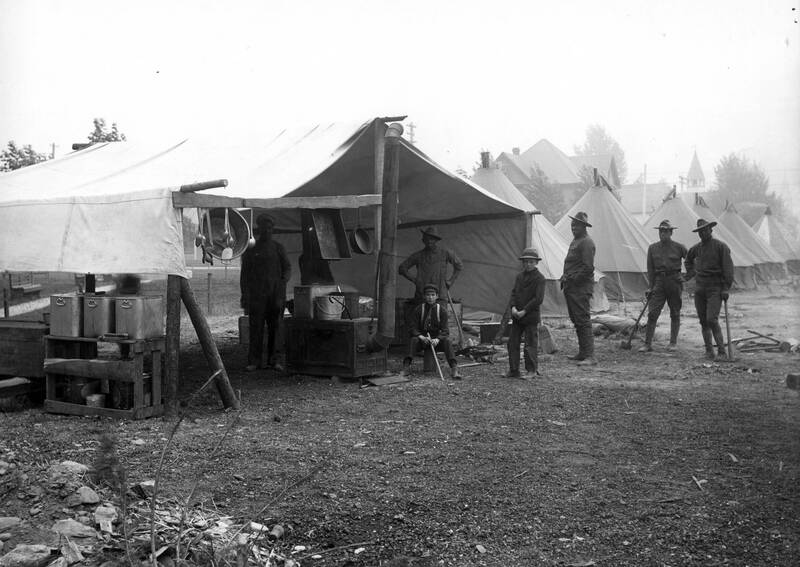
An image of African American soldiers from the 25th Infantry, known as Buffalo Soldiers in a work site near Avery, ID. In August, 1910, four thousand soldiers were brought in to help fight the fire, including seven companies from the 25th Infantry, often better known as the Buffalo Soldiers. Across the West, these soldiers served as the first park rangers, and the iconic Park Service hats—including that worn by Smokey Bear—are modeled after the hats worn by Buffalo Soldiers at the time (which can be seen in this photograph).

All of the linked Digital Collections follow a pretty standard format. You can learn more about how to navigate a digital collection, with K-12 teaching in mind, at this ~ link to be created ~ .

The Big Burn Collection

The link below will take you the Big Burn Collection. Designed like a digital museum exhibit, this collection brings together historic photos of the fire and its aftermath, copies of telegrams from those trying to fight the fire, and reflections from people who lived through the event. You can learn more about how to navigate a digital collection, with K-12 teaching in mind, at this ~ link to be created ~ .

Explore the collection

Highlighted Items

These are some highlighted items from the collection. Maybe we expand to include more librarian notes/context?
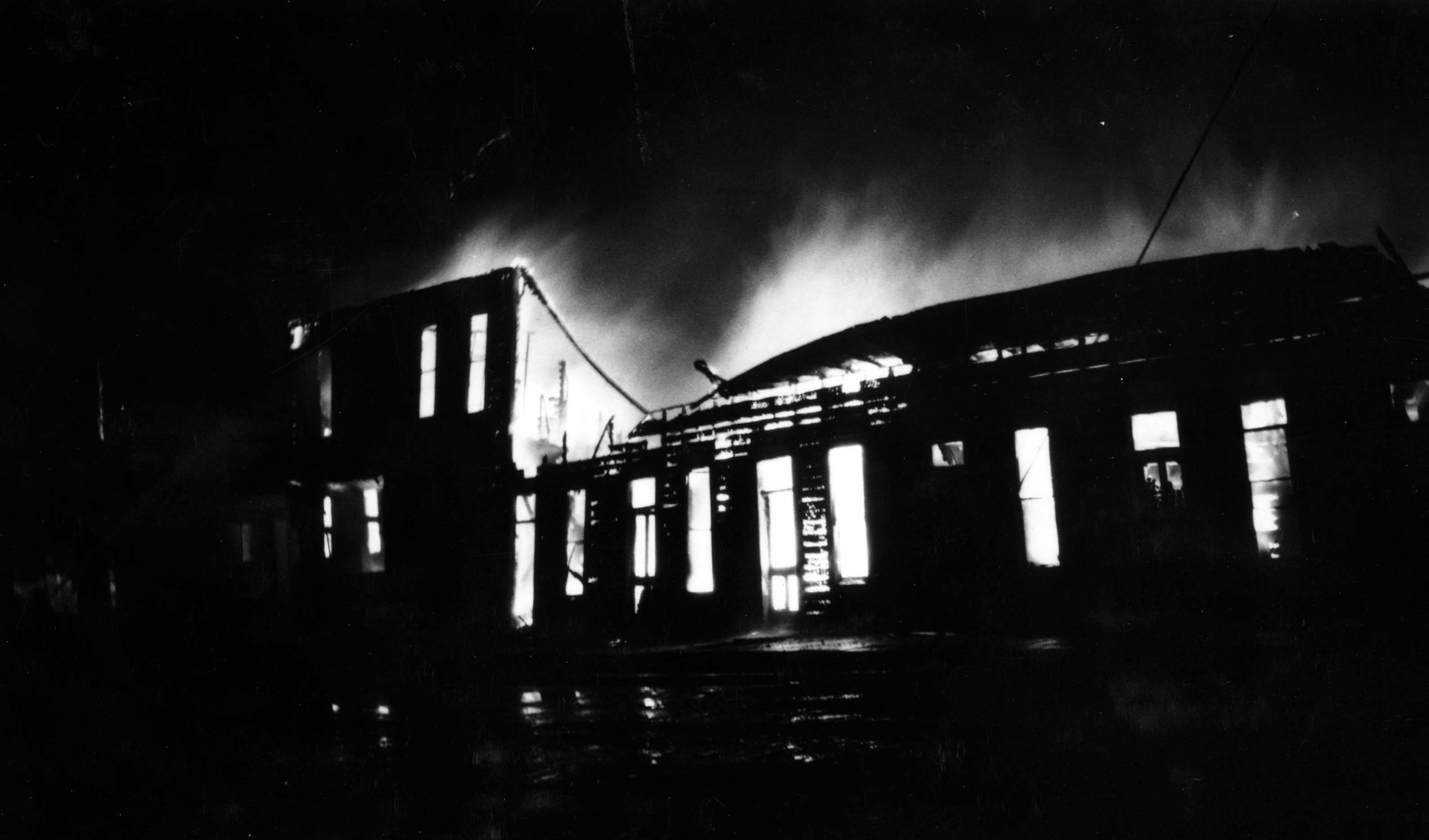
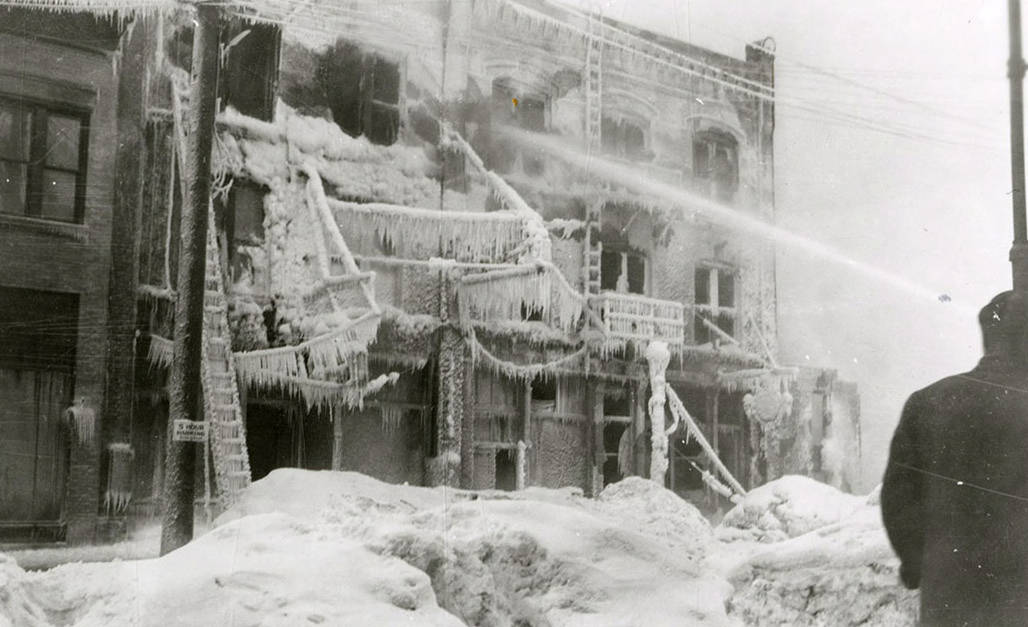
A black-and-white photograph of a building on fire.
A night time image of the forest fire burning buildings in Wallace, Idaho August 20, 1910.
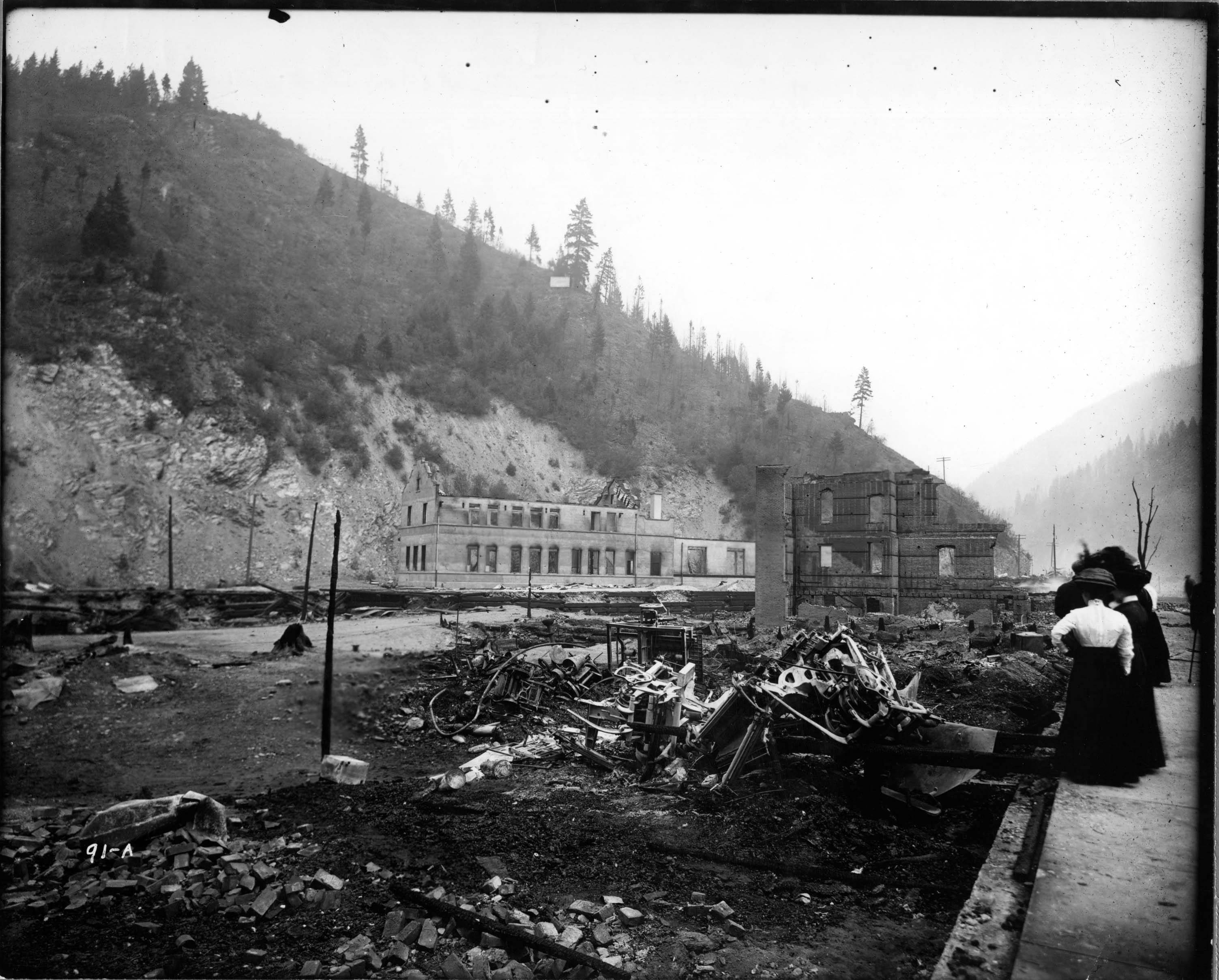
A black-and-white photograph of several people looking at burnt buildings in a downtown area.
An image of Wallace, Idaho taken five days after the fire of August 20, 1910
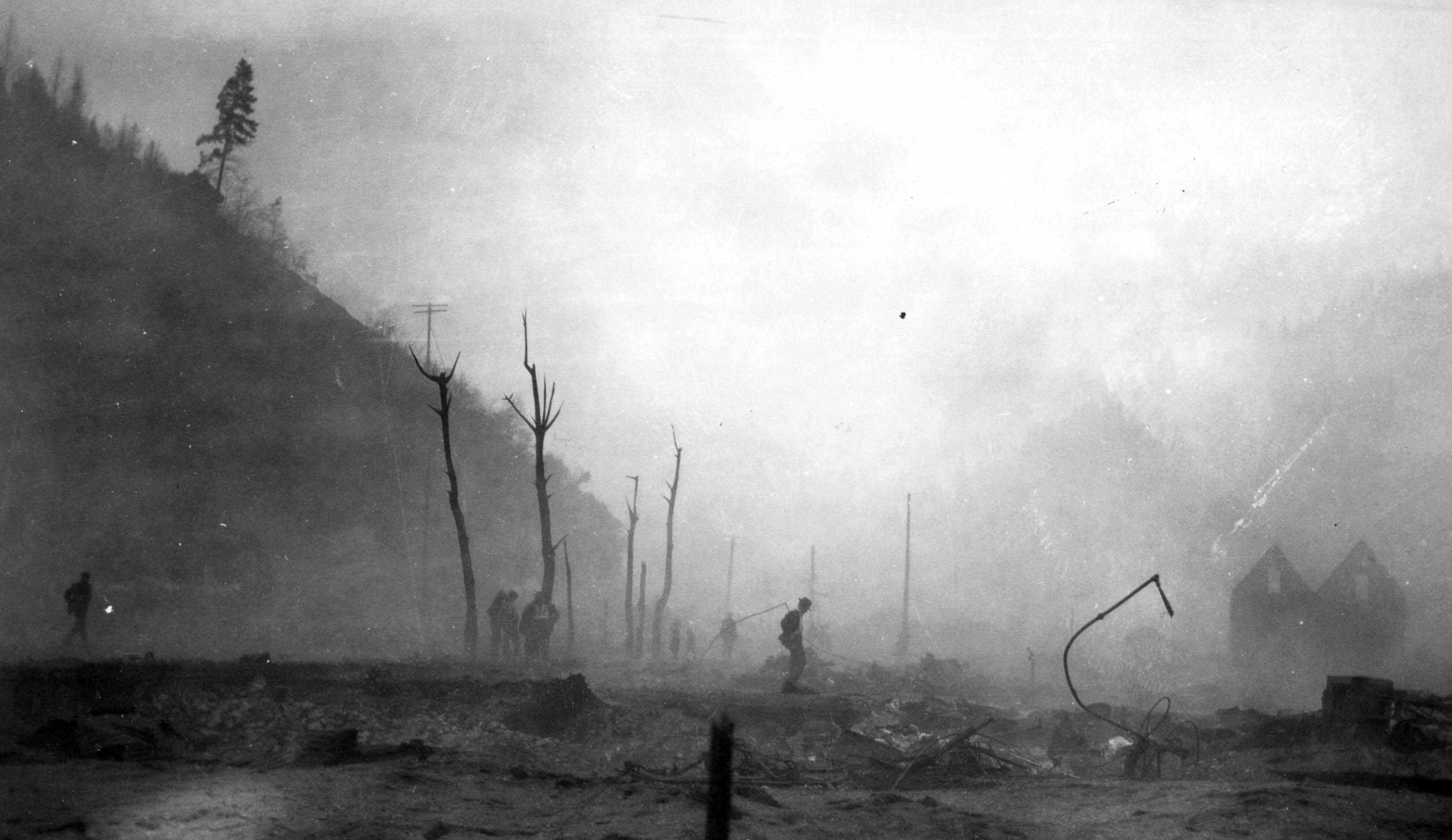
A black-and-white photograph showing people walking near burnt buildings in a smoky area.
An street view of Wallace, Idaho after the fire of August 20, 1910. People can be seen in the distance assessing the damage

Barnard-Stockbridge Photograph Collection

The link below will take you the Barnard-Stockbridge Photograph Collection. The epicenter of the 1910 forest fire was Wallace, Idaho. Luckily for researchers, Wallace was also home to the Barnard-Stockbridge photography studio, which captured thousands of images of the area before, during, and after the “Big Burn.” You can learn more about how to navigate a digital collection, with K-12 teaching in mind, at this ~ link to be created ~ .

Explore the collection

Highlighted Items

These are some highlighted items from the collection. Maybe we expand to include more librarian notes/context?
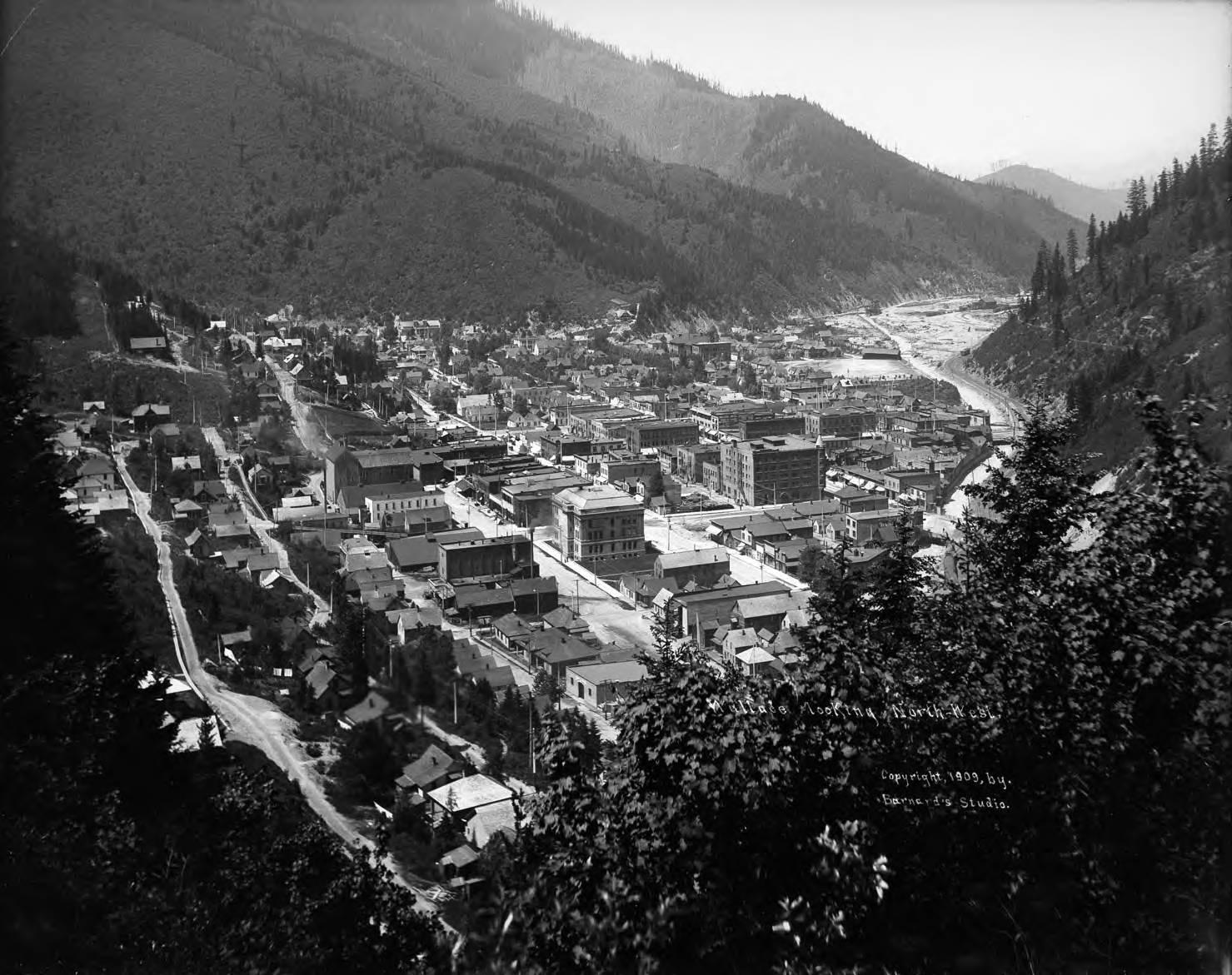
A black-and-white photograph from above a small mountain town.
An image of Wallace, Idaho in 1909. The view is from the water tank, looking Northwest at the town.
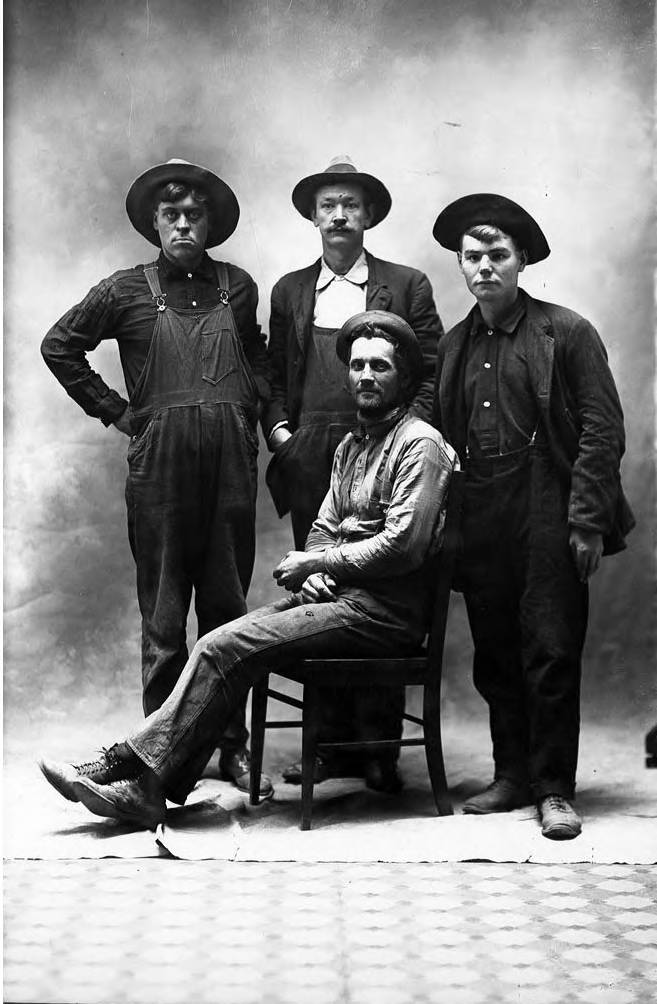
A black-and-white photograph of four men posing and facing the camera. One man sits on a wooden chair and the others stand behind him.
Photo of a group of four men who saved 40 men in the forest fire of 1910.
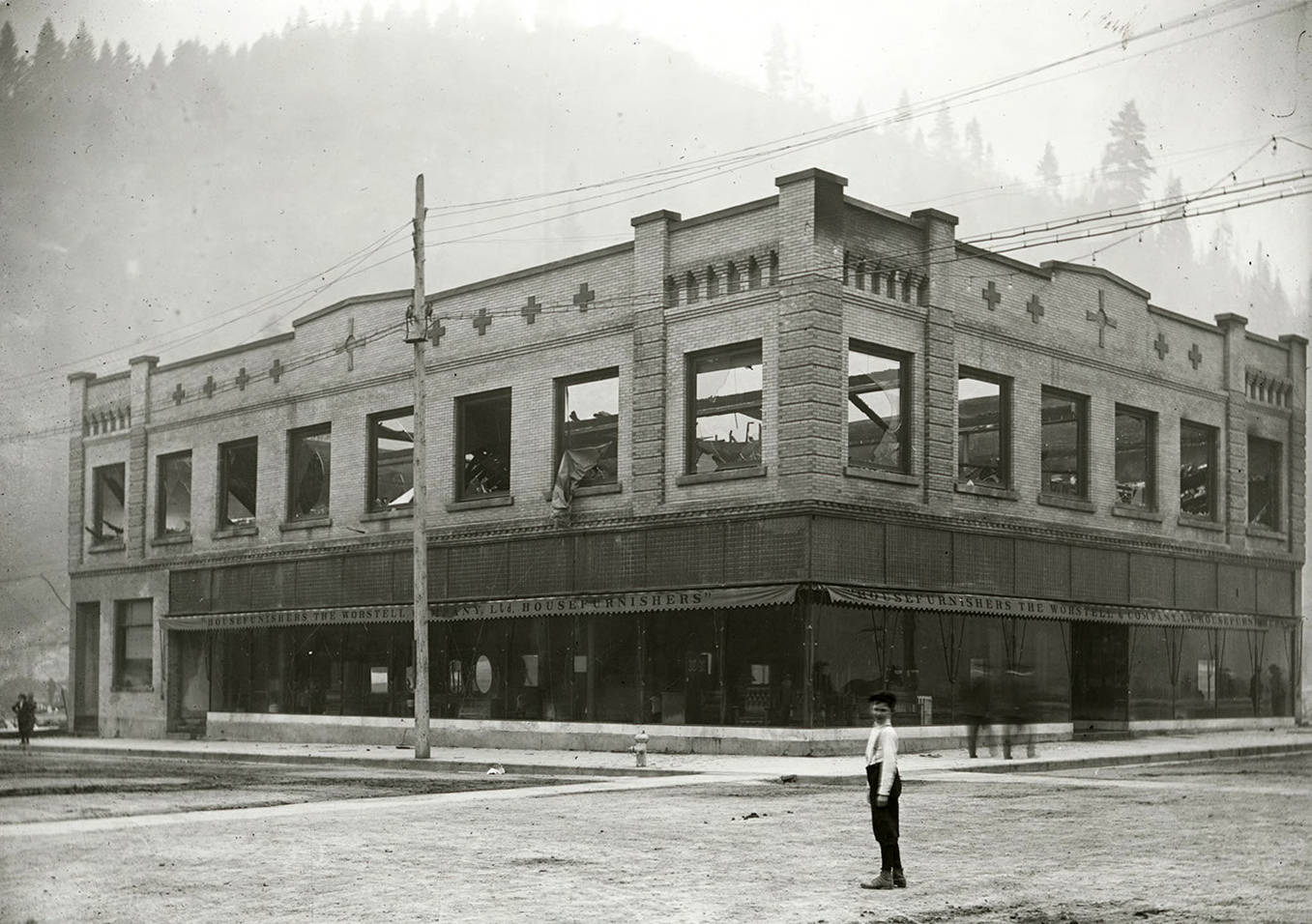
A black-and-white photo of a brick building with burn marks and broken windows. The building is on a downtown street where a few people are walking.
An exterior view of the Worstell Company store in Wallace, Idaho, after the Big Burn forest fire of 1910.

Fire Lines

The link below will take you the Fire Lines digital essay. This is a collection of primary sources that informed an essay about how the 1910 fires informed forest management policy throughout the 20th century. You can learn more about how to navigate a digital collection, with K-12 teaching in mind, at this ~ link to be created ~ .

Explore the project

Highlighted Items

These are some highlighted items from the collection. Maybe we expand to include more librarian notes/context?
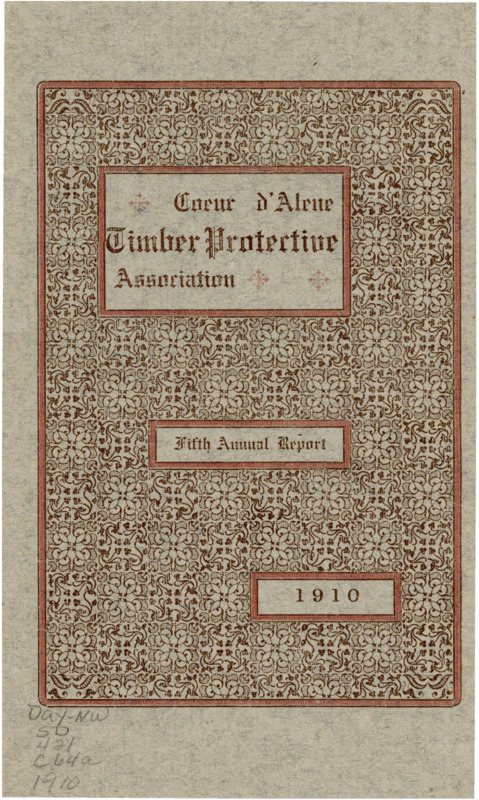
A cover page featuring a red geometric pattern. Coeur d'Alene Timber Protective Association Fifth Annual Report 1910 is typed in stylized font.
The Coeur d'Alene Timber Protective Association Fifth Annual Report for 1910. This document contains reporting on both the damage from the fires and the fire management processes used.
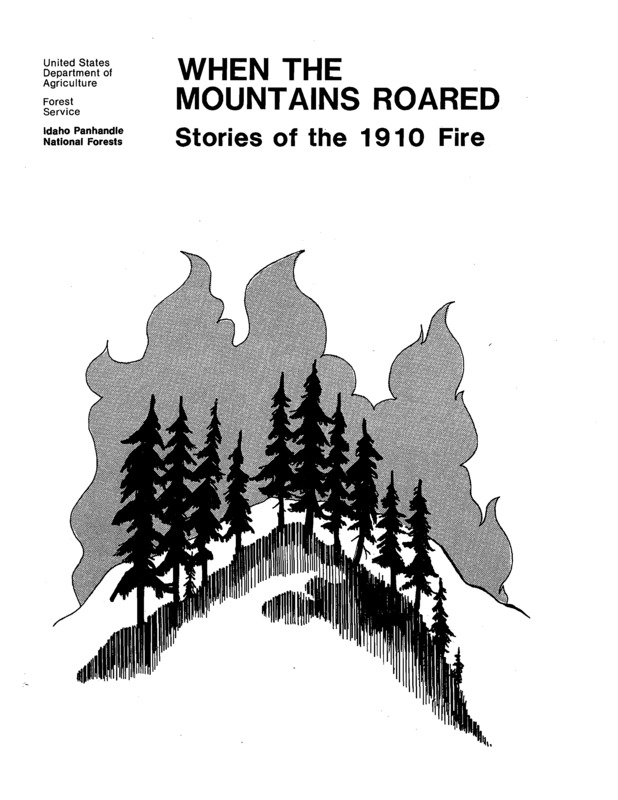
A cover page titled When the Mountains Roared, Stories of the 1910 Fire. United States Department of Agriculture, Forest Service, Idaho Panhandle National Forests. A black-and white image of pine trees surrounded by fire is below the title
When the Mountains Roared: Stories of the 1910 Fire. Publication by the US Forest Service. This document was written by the Supervisor of the Lolo Forest 32 years after the 1910 forest fire to serve as an informal record of the fire history of that year.
A white page displaying bibliographic information. It reads: Nez Perce Perspectives on Fire Management and Program Accessibility by Daniella Ruth Lorincz Drader. A thesis submitted in partial fulfillment of the requirements for the degree of Master of Science in Natural Resource Sciences, Washington State University, Department of Natural Resource Sciences, August 2009.
Nez Perce perspectives on fire management and program accessibility. This Master of Science thesis by Daniella Ruth Lorincz Drader identifies barriers that inhibit access to and participation in current fire management programs as told from the perspectives and experiences of members of the Nez Perce Tribe on their reservation.

Relevant standard

4.SS.1.2.2 Describe the role of fur trading and the discovery of gold and silver in the settlement of Idaho

Suggest a standard

Are you a teacher in Idaho using this resource in the classroom? Suggest a standard you think might apply

Notes

  1. The term “Buffalo Soldier” is historic in nature and not always the preferred moniker for Black soldiers. For more information, see: https://buffalosoldiersmuseum.org/the-buffalo-soldiers/