
Logging in North Idaho
How to use this page
This Logging in North Idaho Inquiry Kit highlights digital resources curated with Idaho educators in mind. This page was curated by librarians and features historical materials about one of the region’s most significant industries, alongside links to larger collections teachers and students can explore.
The larger collections used in this kit are:
- Marylyn Cork Priest River Historical Collection
- Family Tree Collection
- Latah County Oral History Project
- Trees Grew Tall Photograph Collection
About Mining and Logging in Idaho
The Logging in North Idaho Inquiry Kit is an online showcase of historical materials related to an industry that transformed the landscape and the economy of the region. Resource extraction drove Idaho’s development, and timber remains a significant export for the state. North Idaho’s history was shaped by the experiences of people working in extractive industries, which also included mining, just as the physical act of extraction shaped the landscape. This teaching collection highlights photographs, documents, and oral histories that can help students understand what logging looked like and ways that people were impacted by the industry.
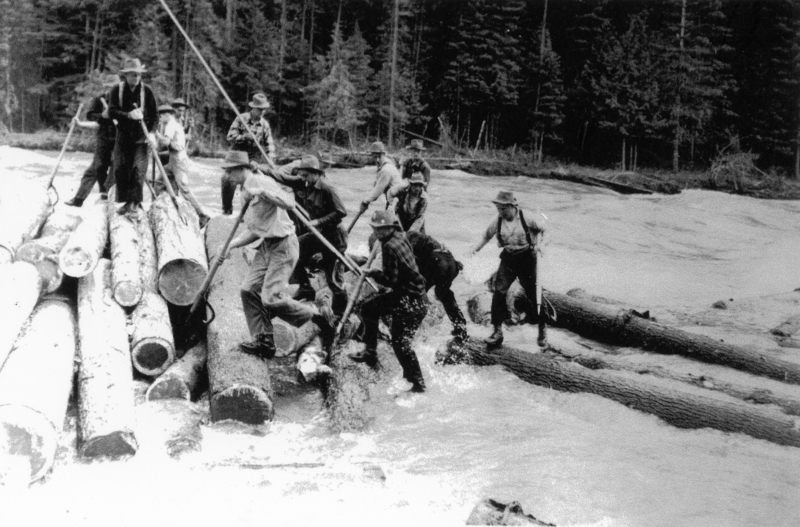
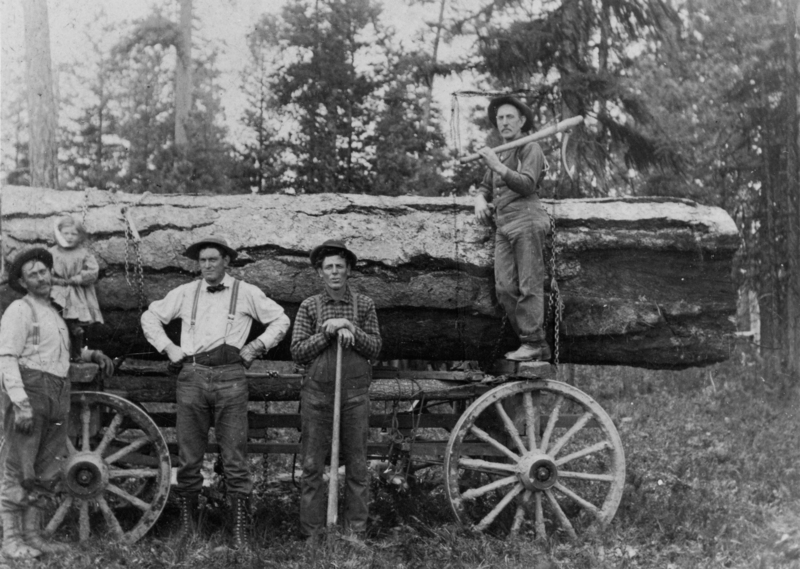
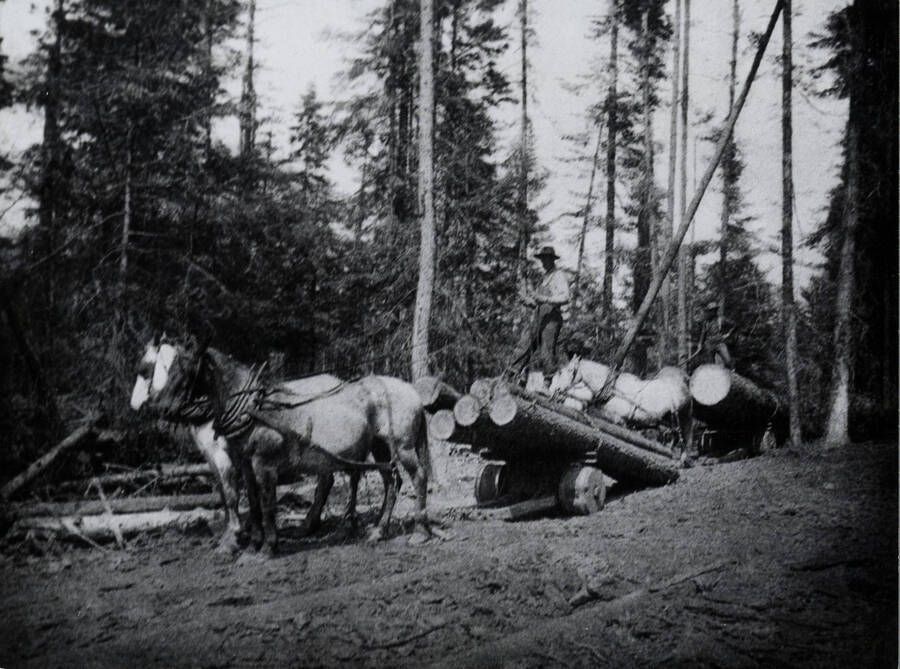
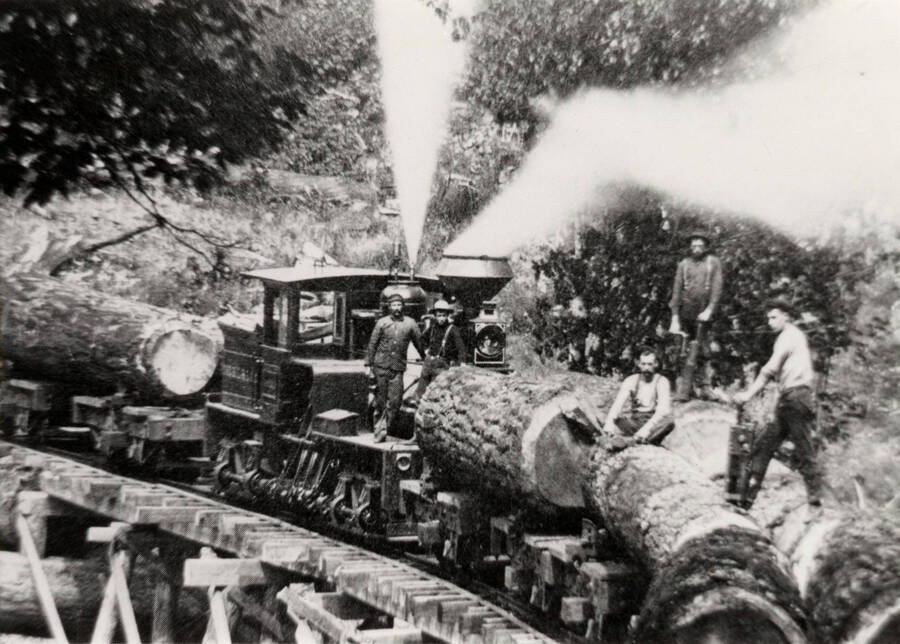
Students are often interested to learn about how technology in the logging industry has changed over time. Impressive pictures of giant trees being pulled by horses and crews of men floating down river on long drives inspire inquiry.
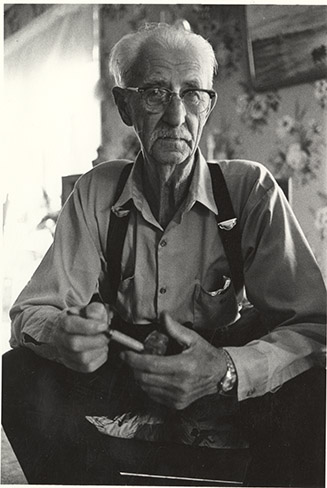
Hearing from historical figures in the first-person is a valuable connection point for students seeking to understand past events. Oral history interviews with people employed in the logging industry can help illuminate the dangers of the industry and environmental impacts to the surrounding areas.
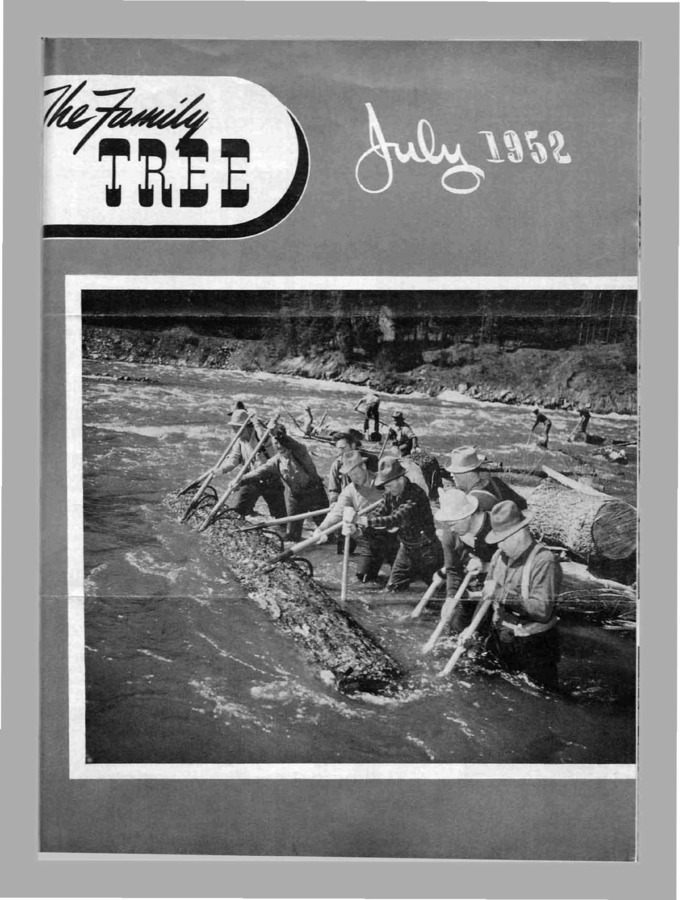
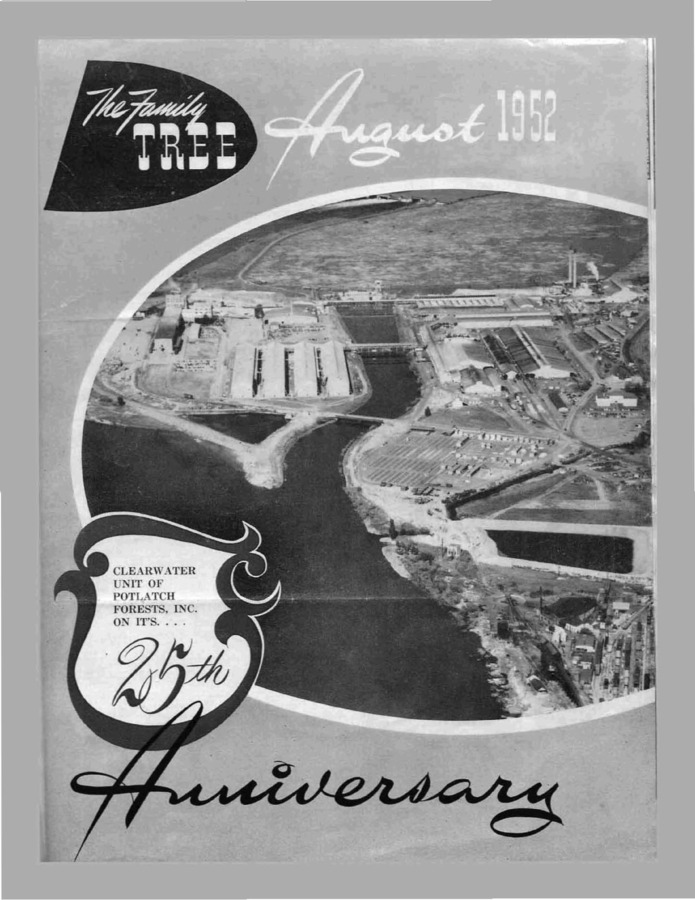
One of Idaho’s most famous logging communities was Potlatch, a true company town, owned and operated by the timber corporation. Through the company’s newsletter archive, students can learn about a local example of this type of corporate social engineering that could be found across the US.
Featured Digital Collections
All of the linked Digital Collections follow a pretty standard format. You can learn more about how to navigate a digital collection, with K-12 teaching in mind, at How to Use.
Marylyn Cork Priest River Historical Collection
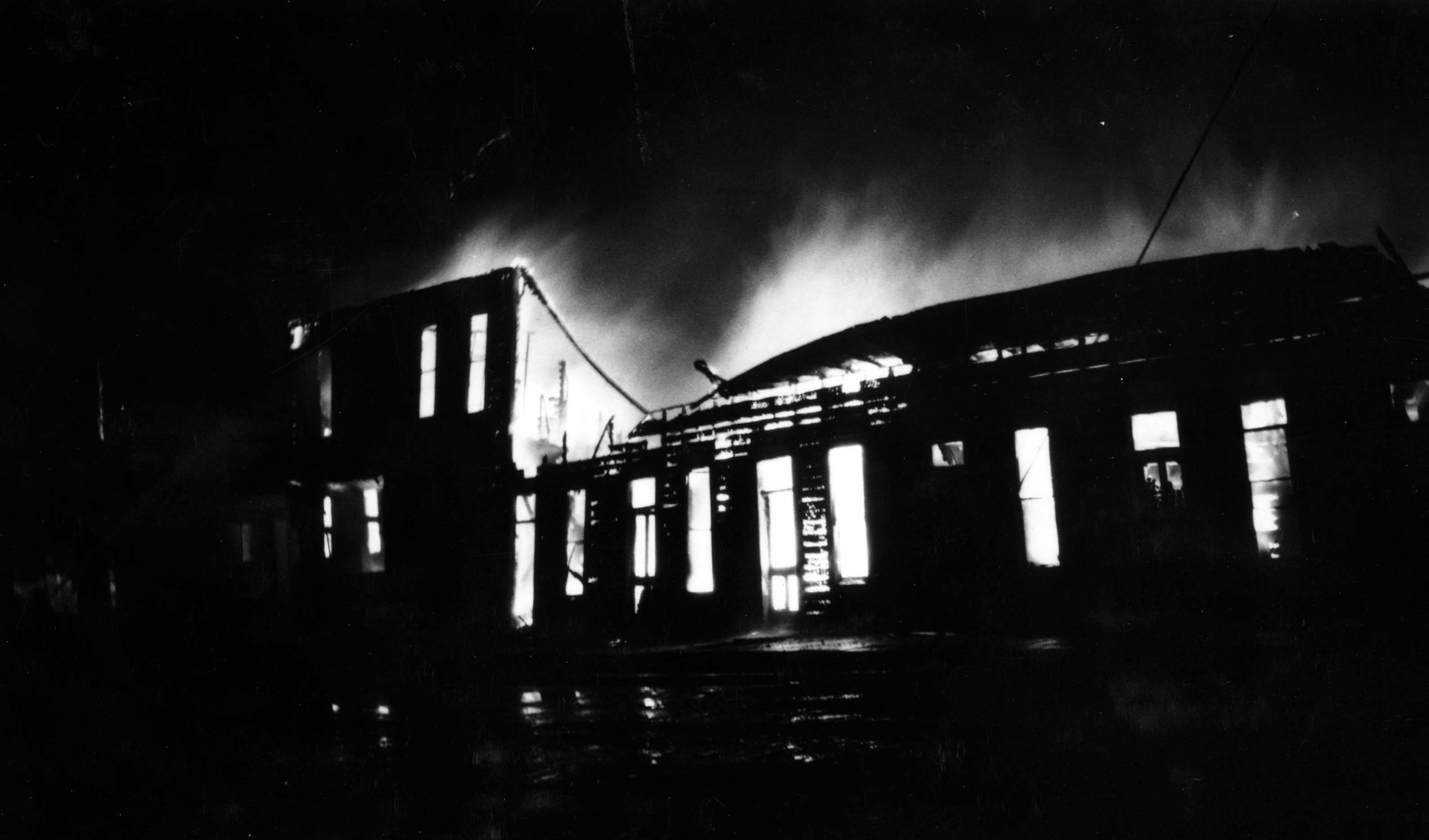
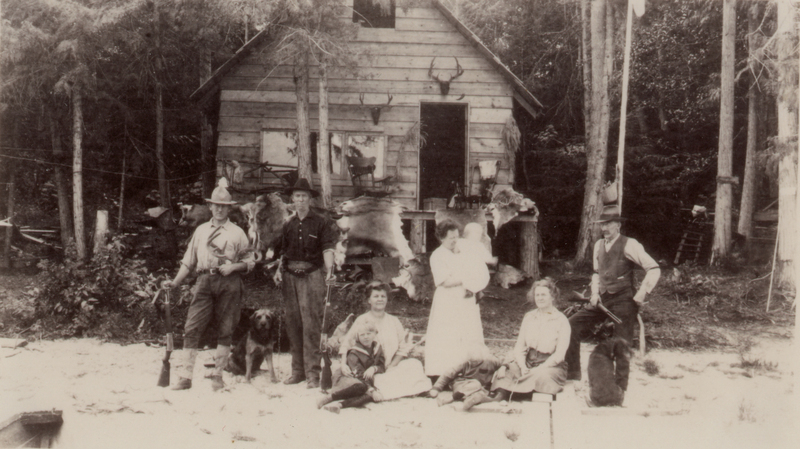
The link below will take you the Marylyn Cork Priest River Historical Collection. Cork’s collection of historic photographs, assembled over many decades, captures many facets of Priest River’s history from the last century. Alongside photos of lumberjacks and log drives, you can find pictures of historic schools, homesteads, and other scenes of daily life.
You can learn more about how to navigate a digital collection, with K-12 teaching in mind, at How to Use.
Highlighted Items
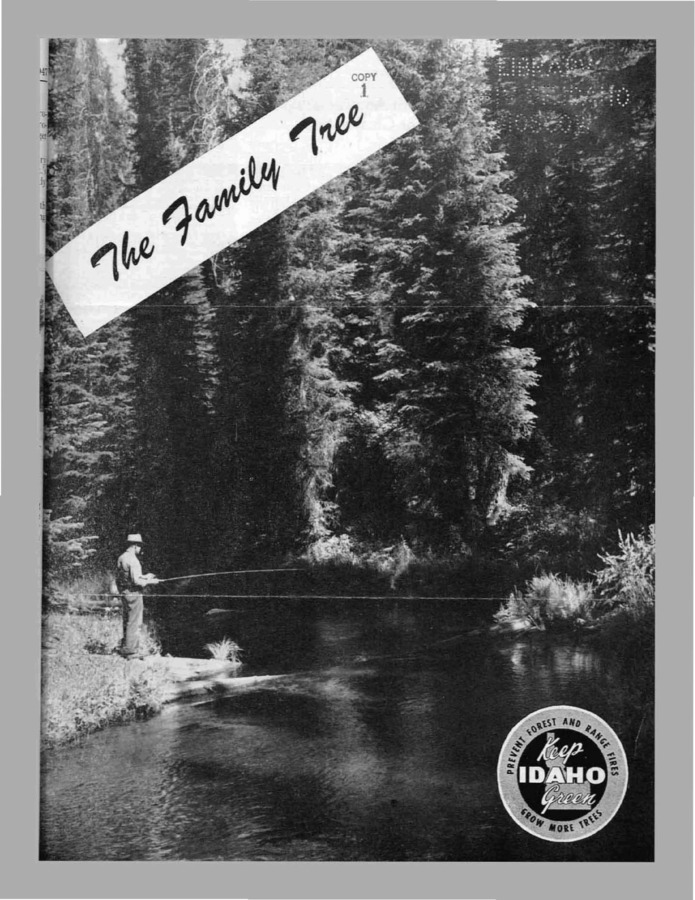
Family Tree Collection, a Potlatch Forest, Inc. Newsletter
The link below will take you the Family Tree Collection, a Potlatch Forest, Inc. Newsletter. The corporate newsletter was just one way that it attempted to shape the culture of Potlatch, Idaho, its company town. In the newsletter students can find articles encouraging workplace safety, sharing updates about company business, and detailing social events hosted by the corporation.
You can learn more about how to navigate a digital collection, with K-12 teaching in mind, at How to Use.
Highlighted Items
Latah County Oral History Collection
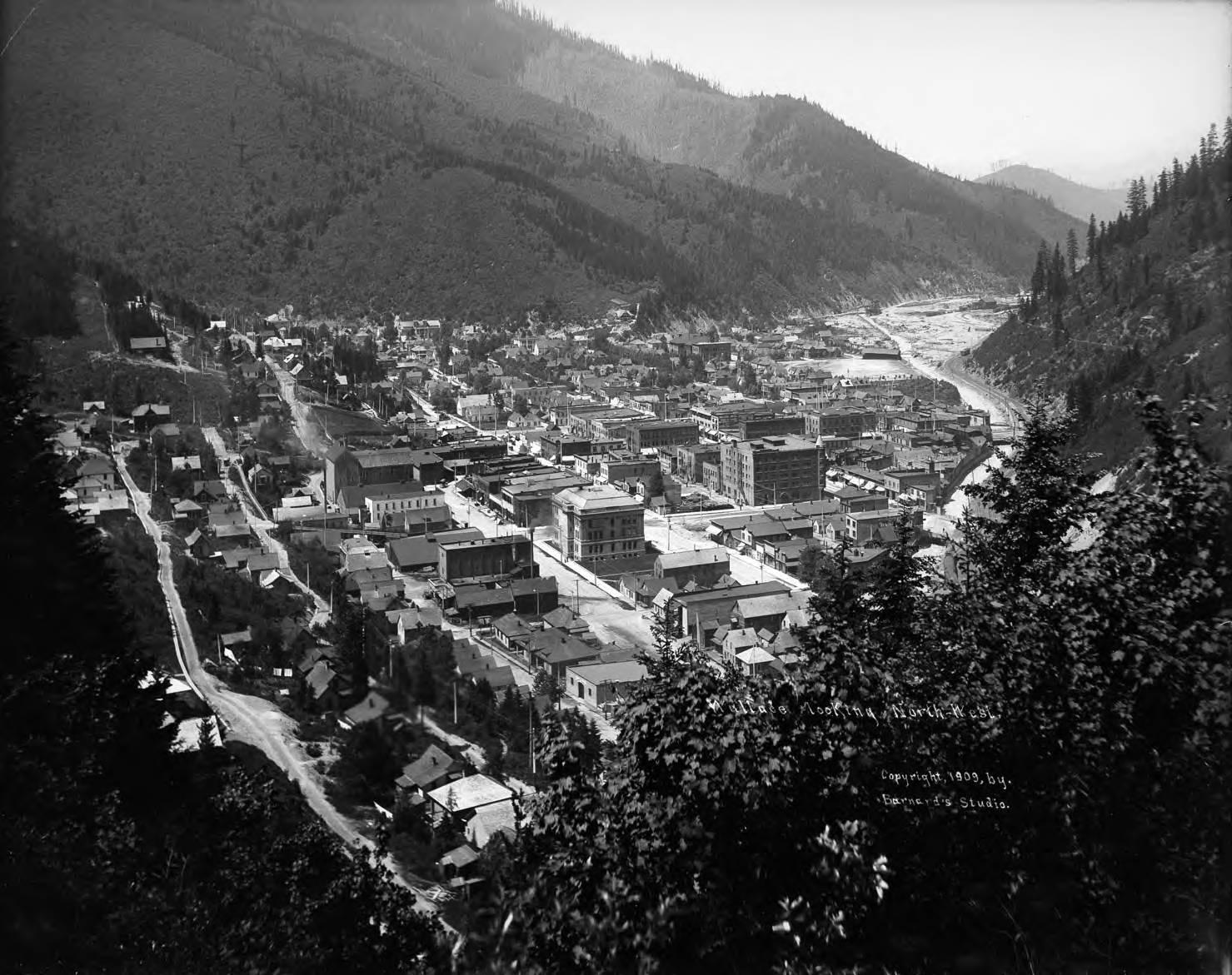
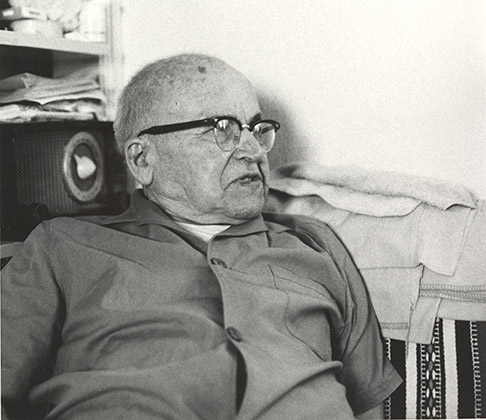
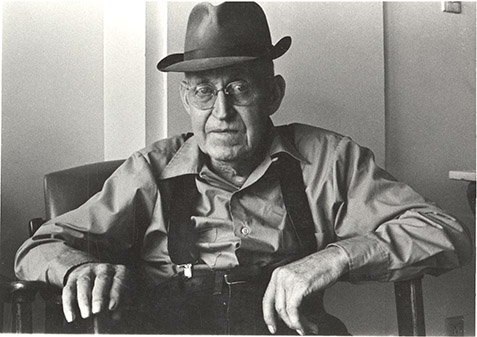
The link below will take you the Latah County Oral History Collection. This oral history project was conducted during America’s bicentennial, in the 1970s, and focused on recording the stories of people who had helped settle the region. Alongside stories about folks making a living as loggers, you can find stories about homesteading, one-room schoolhouses, and much more.
You can learn more about how to navigate a digital collection, with K-12 teaching in mind, at How to Use.
Highlighted Items
Trees Grew Tall Photograph Collection
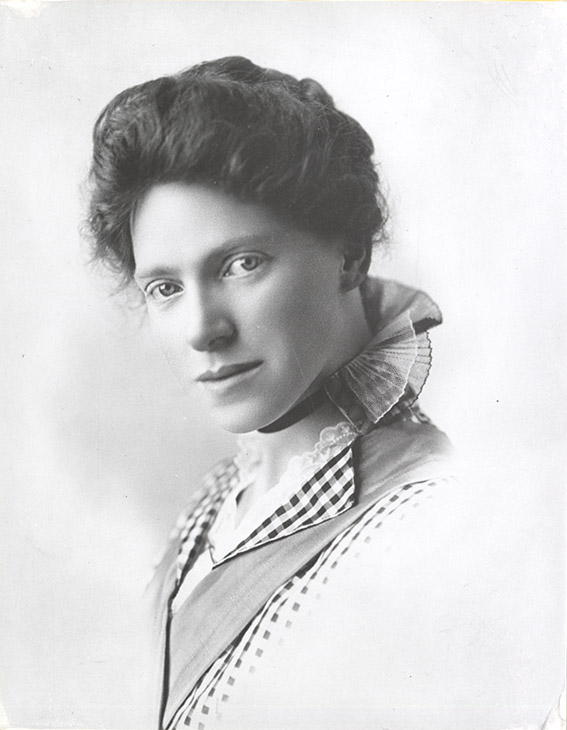
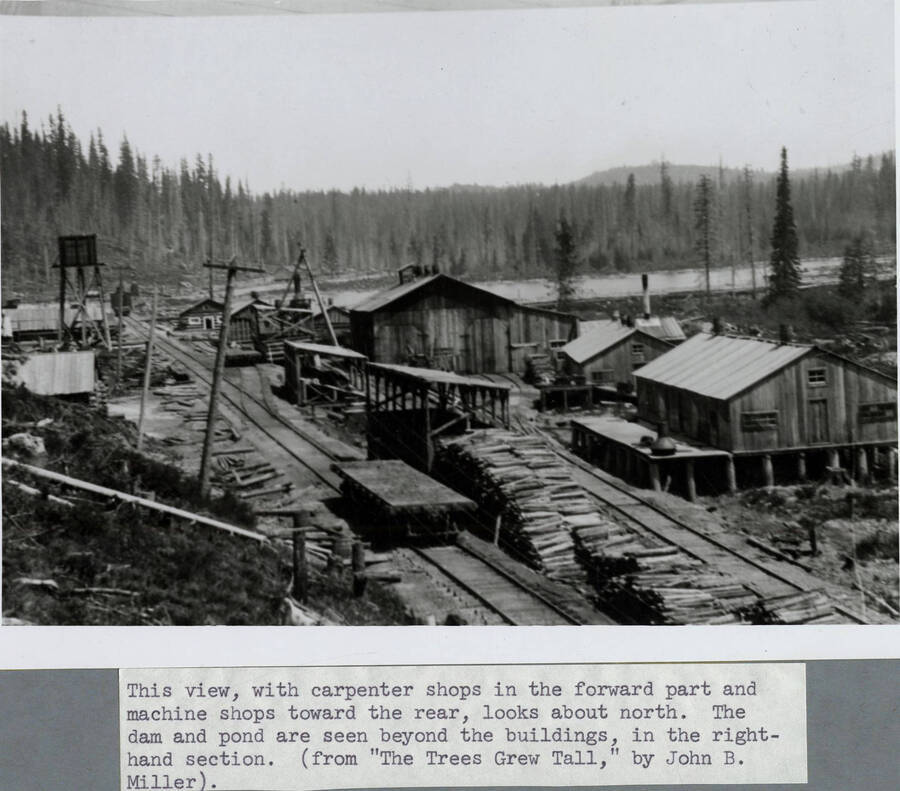
The link below will take you the Trees Grew Tall Photograph Collection. The featured photographs were taken or collected by John B. Miller during the years 1898 to 1943. They were used in Miller’s book The Trees Grew Tall, an eclectic history of Bovill, Idaho and the surrounding areas.
You can learn more about how to navigate a digital collection, with K-12 teaching in mind, at How to Use.
Highlighted Items
Relevant standard
4.SS.1.2.2 Describe the role of fur trading and the discovery of gold and silver in the settlement of Idaho
Suggest a standard
Are you a teacher in Idaho using this resource in the classroom? Suggest a standard you think might apply