Idaho Connections to National Events
How to use this page
This Idaho Connections to National Events Inquiry Kit highlights digital resources curated with Idaho educators in mind. This page features examples of ways to connect major events in American history to Idahoans’ lived experiences, curated by librarians, and links to larger collections teachers and students can explore.
The larger collections used in this kit are:
- 1918 Flu Pandemic Collection
- Mark Brooks Calnon Collection
- Civilian Conservation Corps in Idaho Collection
- Kooskia Internment Camp Scrapbook
About Placing Idaho in the National Narrative
Understanding Idaho’s past within the broader context of American history helps reveal how national events shaped local communities and how Idahoans contributed to larger historical developments. Residents of the state experienced many of the same challenges and opportunities that affected people across the nation, including the devastating effects of the 1918 influenza pandemic, the incarceration of Japanese Americans during World War II, participation in the Civilian Conservation Corps during the Great Depression, and military service and home-front activities during World War II. Examining these events through an Idaho lens allows students and researchers to see how national stories unfolded in local places, connecting the state’s history to the wider American experience.
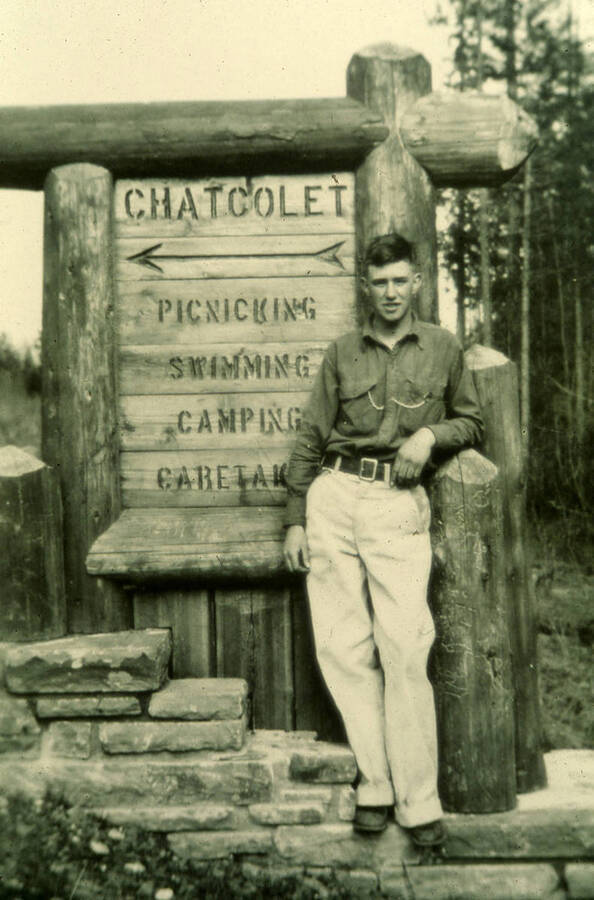
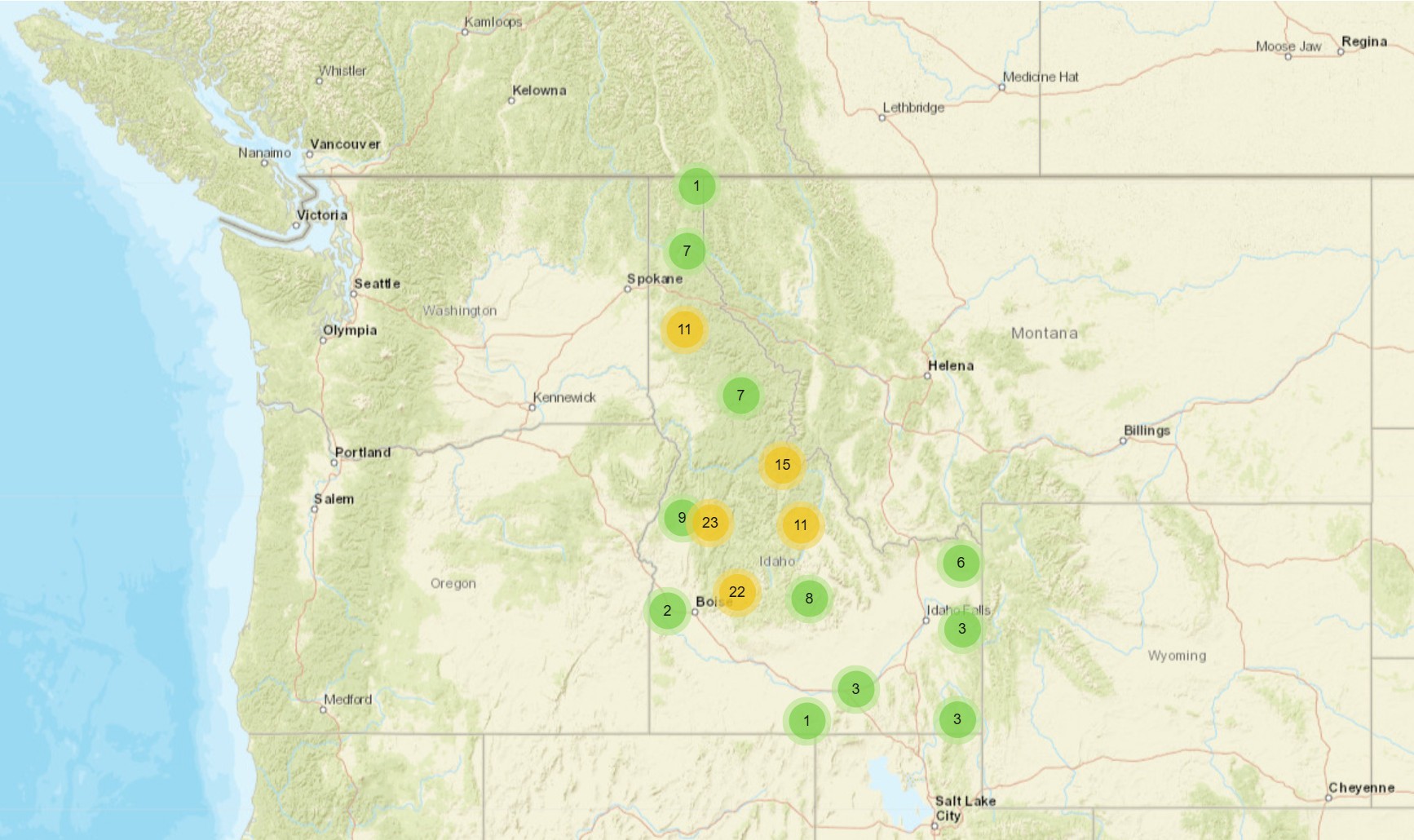
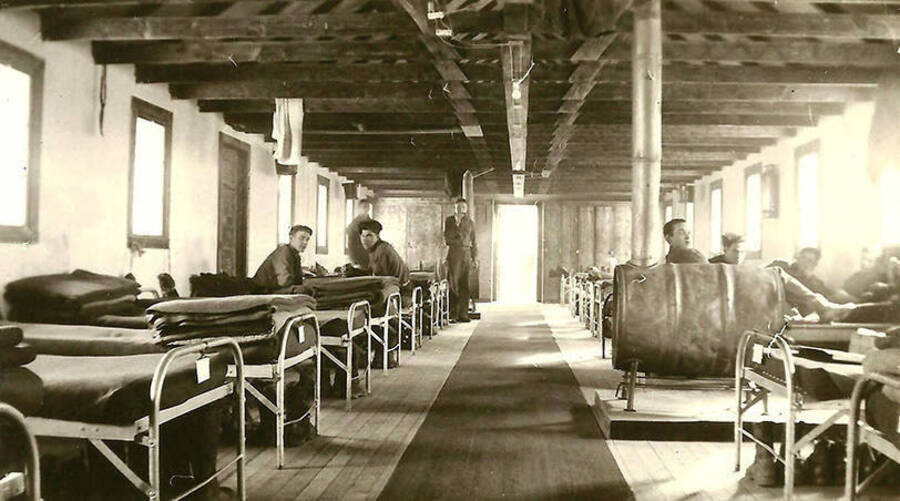
Many students will recognize the work of the Civilian Conservation Corps, though they may not know anything about the national program that brought young men from all over the US to make improvements to Idaho’s landscapes. In fact Idaho benefitted from more CCC camps, per capita, than any other state in the country. The CCC soldiers built roads, bridges, state park facilities, and much more.
Students who experienced the COVID 19 pandemic and subsequent public health protocols can reflect on how an earlier disease, Influenza, changed lives in 1918. Some precautions, like closing schools, were very similar. The US’s involvement in WWI, however, made some conditions very different. Idahoans contributed to America’s success in WWII, and students can reflect on the realities of that war through photos and an oral history interview with a veteran and former Prisoner of War, Mark Brooks Calnon.
Featured Digital Collections
All of the linked Digital Collections follow a pretty standard format. You can learn more about how to navigate a digital collection, with K-12 teaching in mind, at How To Use.
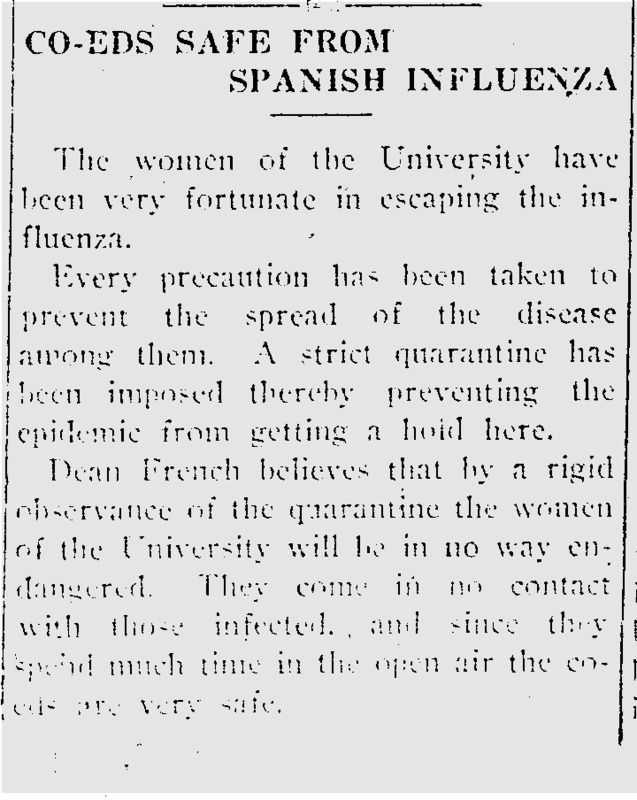
1918 Flu Pandemic Collection
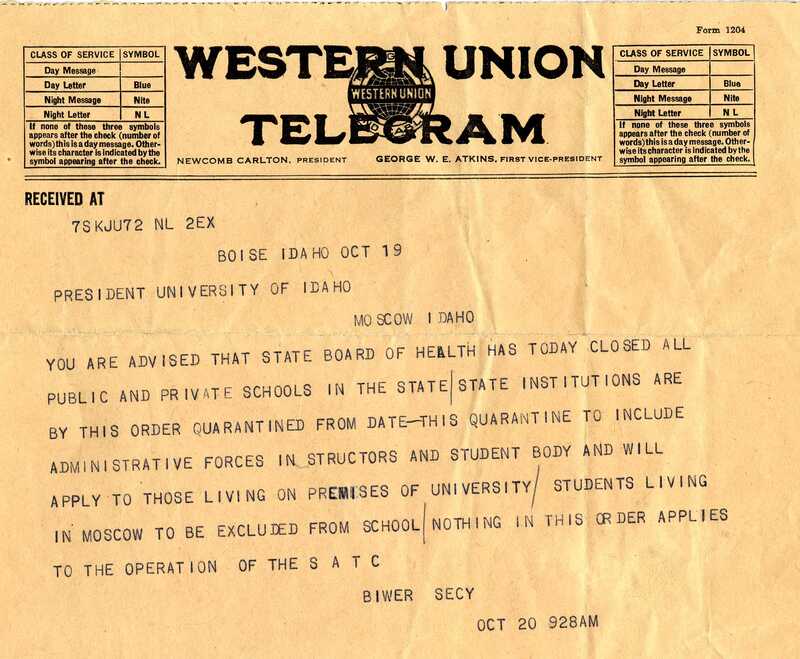
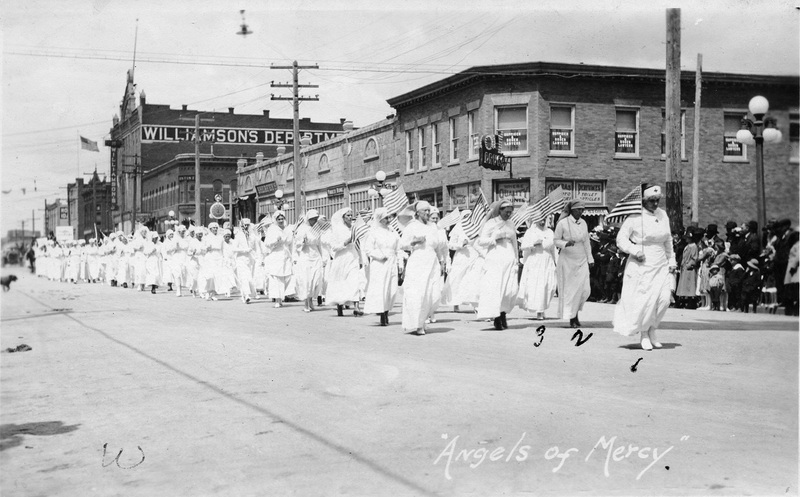
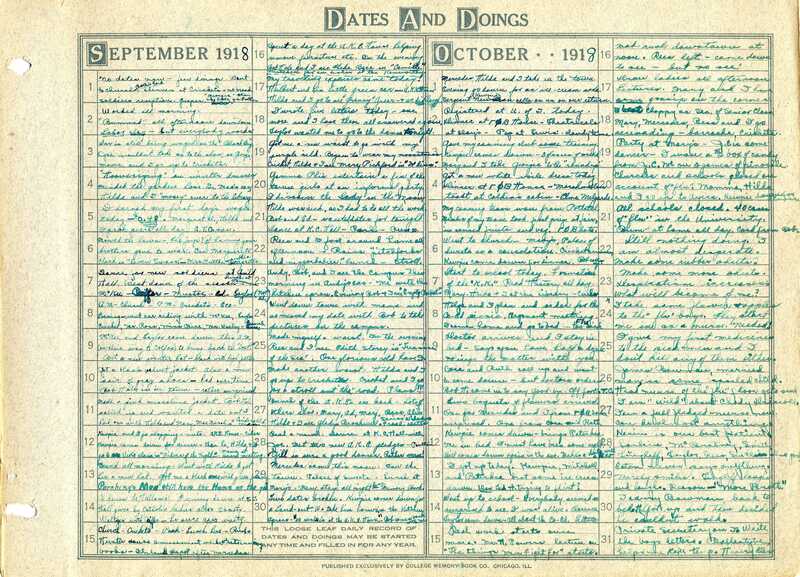
The link below will take you the 1918 Flu Pandemic Collection. Designed like a digital museum exhibit, this collection brings together historic photos and documents related to the public health emergency caused by influenza. Included is evidence of both how the University of Idaho responded, as it tried to keep students safe, as well as how the residents of Moscow felt.
You can learn more about how to navigate a digital collection, with K-12 teaching in mind, at How To Use.
Highlighted Items
Mark Brooks Calnon Collection
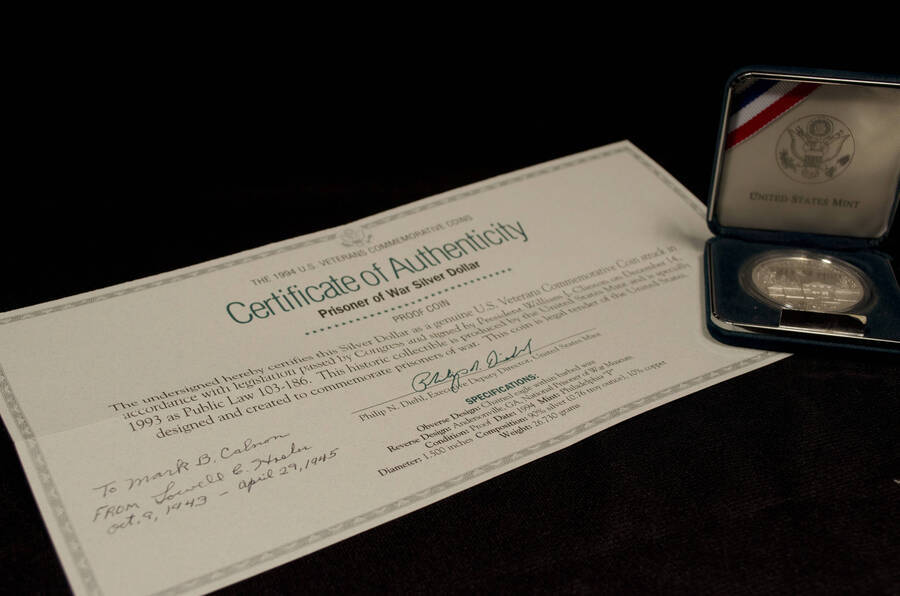
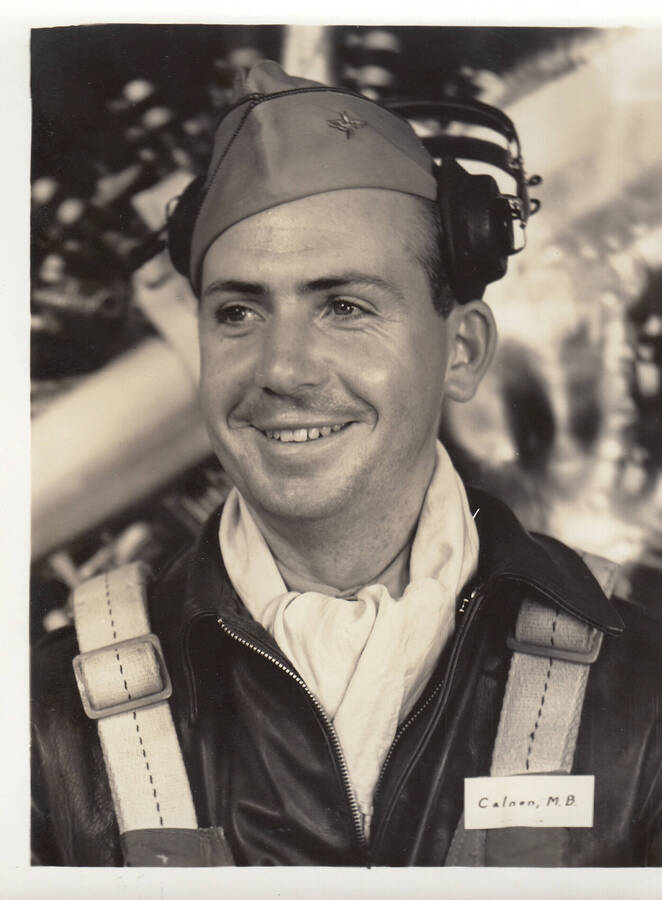
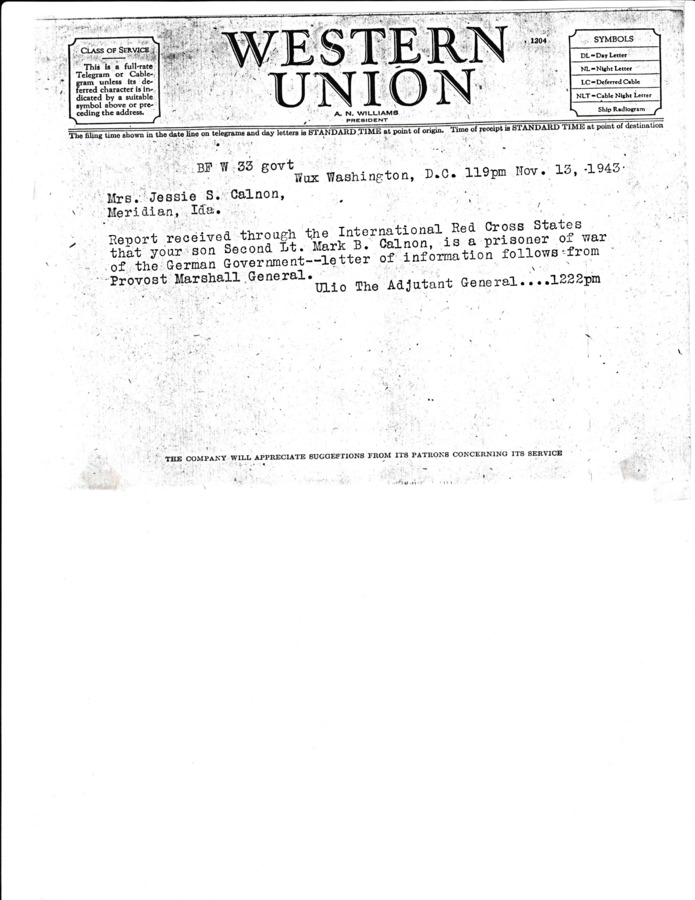
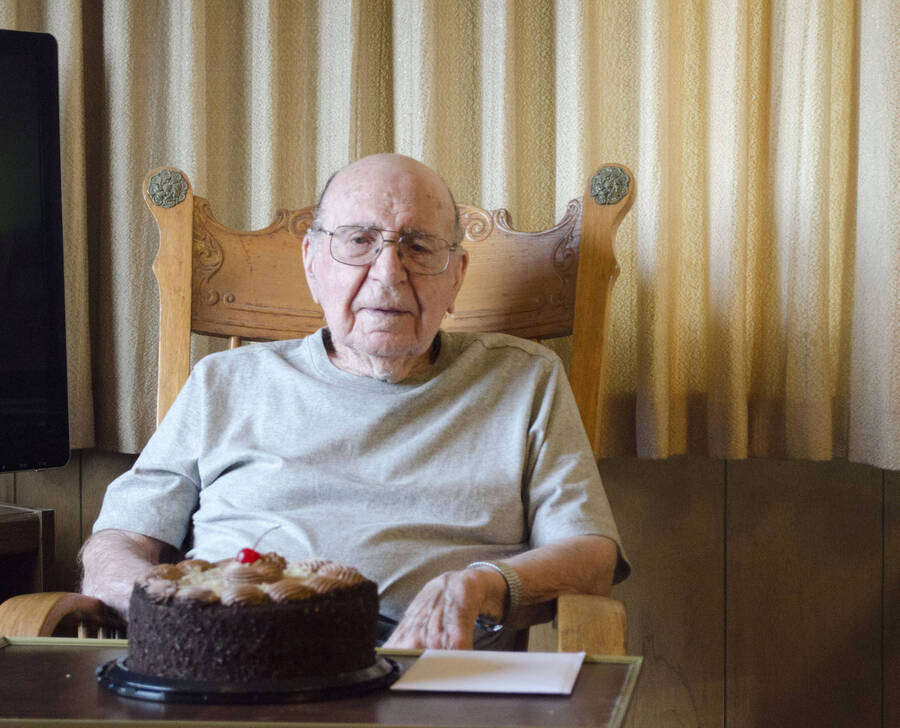
The link below will take you the Mark Brooks Calnon Collection. Calnon was born in Meridian, Idaho and graduated from U of I before enlisting in the Army during WWII. In 1943 his B-17 was shot down and he survived the bailout only to be taken prisoner by the Germans. The collection includes materials collected by Calnon for his personal scrapbook, as well as an oral history interview about his experiences as a POW.
You can learn more about how to navigate a digital collection, with K-12 teaching in mind, at How To Use.
Highlighted Items
Civilian Conservation Corps in Idaho Collection
The link below will take you the Civilian Conservation Corps in Idaho Collection. Commonly known as the CCC, this federal program was part of President Franklin Roosevelt’s response to the Great Depression. Young men from across the US were employed by the government to restore millions of acres of devastated forests and other exhausted public lands. While they sent much needed money home to their families, Idaho’s landscape was meaningfully shaped by their hard work.
You can learn more about how to navigate a digital collection, with K-12 teaching in mind, at How To Use.
Highlighted Items
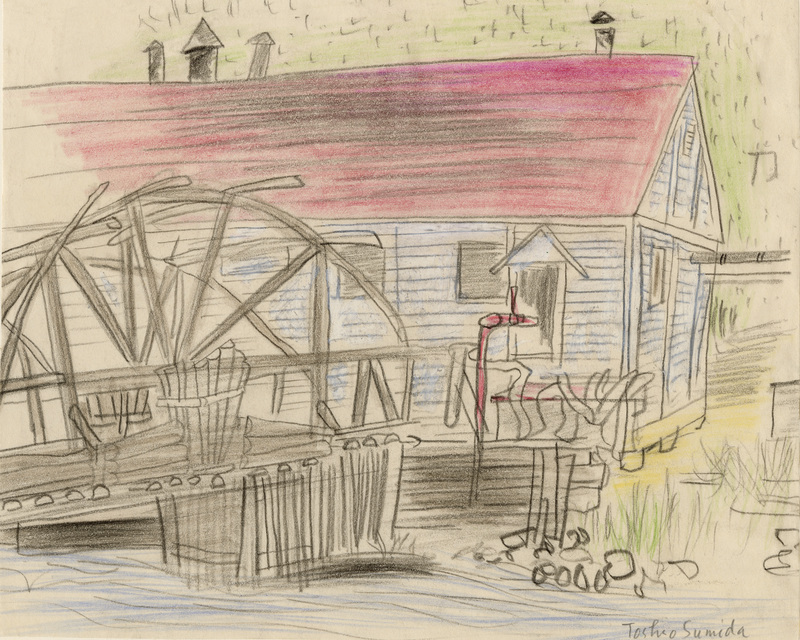
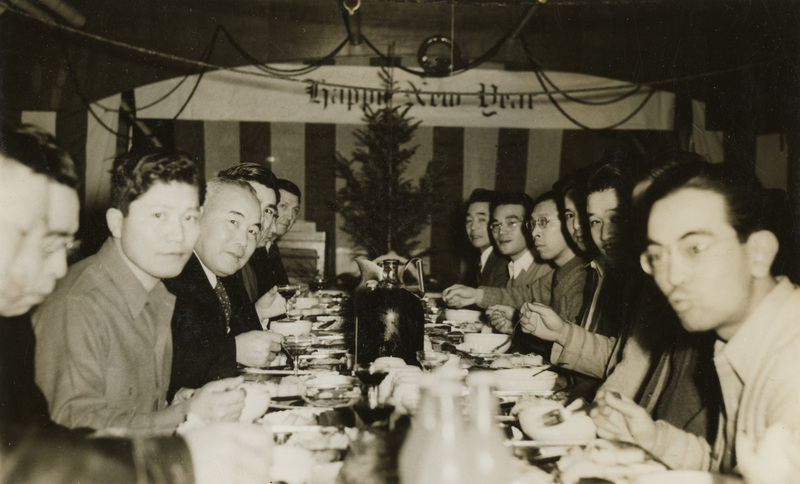
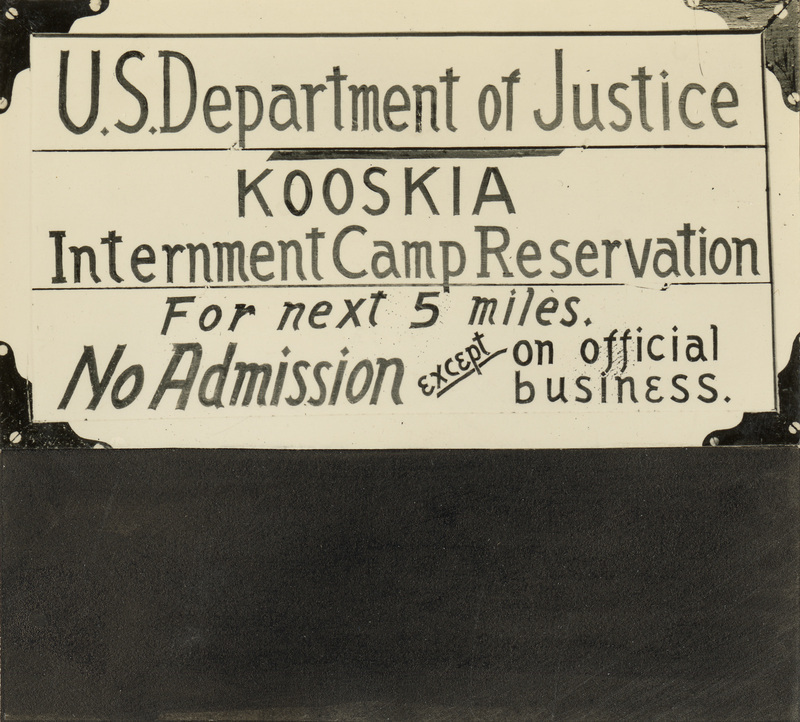
Kooskia Internment Camp Scrapbook
Following the Japanese attack on Pearl Harbor on December 7, 1941, President Roosevelt issued Executive Order 9066 which called for the incarceration of more than 100,000 Japanese and Japanese-Americans living in the US. In addition to Relocation Centers, commonly known as internment camps, the government operated Detention Camps for those people of Japanese descent categorized as disruptive. One such camp was located in Kooskia, Idaho.
You can learn more about how to navigate a digital collection, with K-12 teaching in mind, at How To Use.
Highlighted Items