
Japanese American Experiences of Internment
How to use this page
The Japanese American Experiences of Internment Inquiry Kit highlights digital resources curated with Idaho educators in mind. This page features basic context about a specific Idaho historical event, highlighted librarian-curated items, and links to larger collections teachers and students can explore.
The larger collections used in this kit are:
Learn more about teaching with special collections at our how to guide!
About the Japanese American Experiences of Internment Inquiry Kit
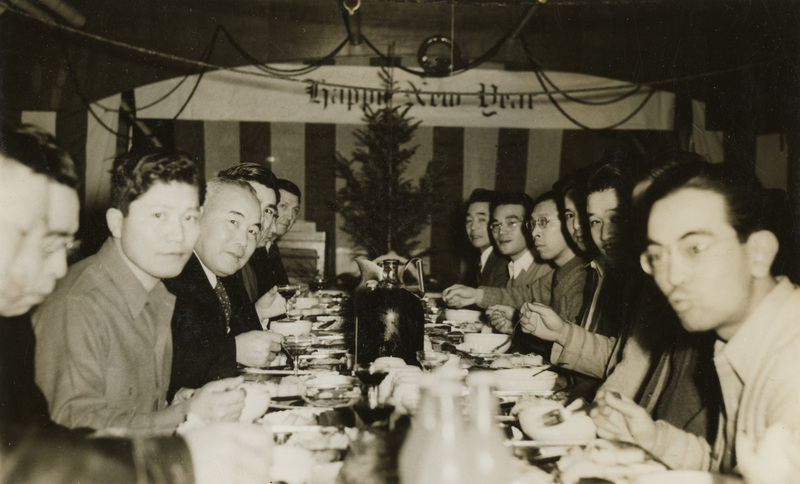
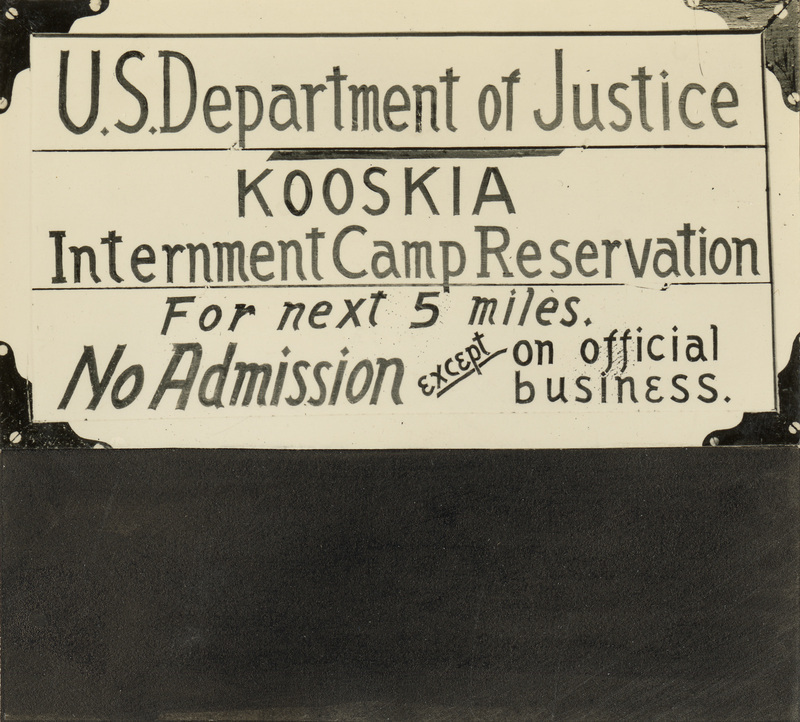
The University of Idaho Special Collections are home to a number of collections that provide invaluable glimpses into the lives of Japanese Americans incarcerated during World War II. Kooskia, an internment camp that at one point housed 265 Japanese men, is about a two hour drive away from the University of Idaho.
The Kooskia (pronounced KOOS-key) Internment Camp is an obscure and virtually forgotten World War II detention facility that was located in a remote area of north central Idaho, 30 miles from the town of Kooskia, and 6 miles east of the hamlet of Lowell, at Canyon Creek. The camp was administered by the U.S. Immigration and Naturalization Service (INS) for the U.S. Department of Justice. It held men of Japanese ancestry who were termed “enemy aliens,” even though most of them were long-time U.S. residents. The Minidoka War Relocation Center, which was Idaho’s only official War Relocation Authority camp for Japanese American Families, in contrast to the smaller Department of Justice camp Kooskia, was near Jerome, Idaho.
Although there were a number of Justice Department internment camps throughout the United States during WWII, the Kooskia Internment Camp was unique in that its inmates volunteered to transfer there from other camps and received wages for their work. A total of some 265 male Japanese immigrants occupied the Kooskia Internment Camp at various times between May 1943 and May 1945. Although some internees held camp jobs, most worked construction on a portion of the Lewis and Clark Highway (now US 12) between Lewiston, Idaho, and Missoula, Montana, that ran parallel to the wild and scenic Lochsa River.
For many K-12 learners, visiting a digital collection like those highlighted below helps provide perspective, detail, and localizing context to an important historical event that is often only minimally covered in standard curriculums.
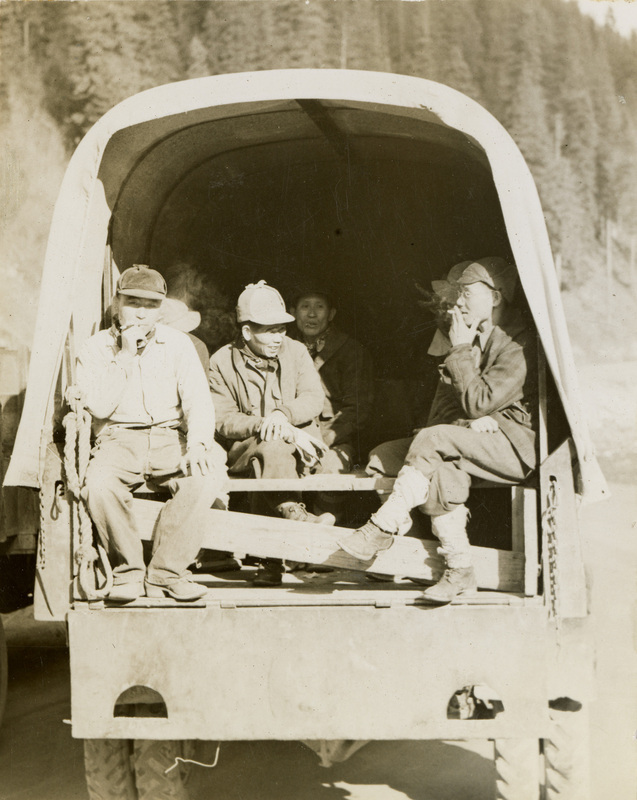
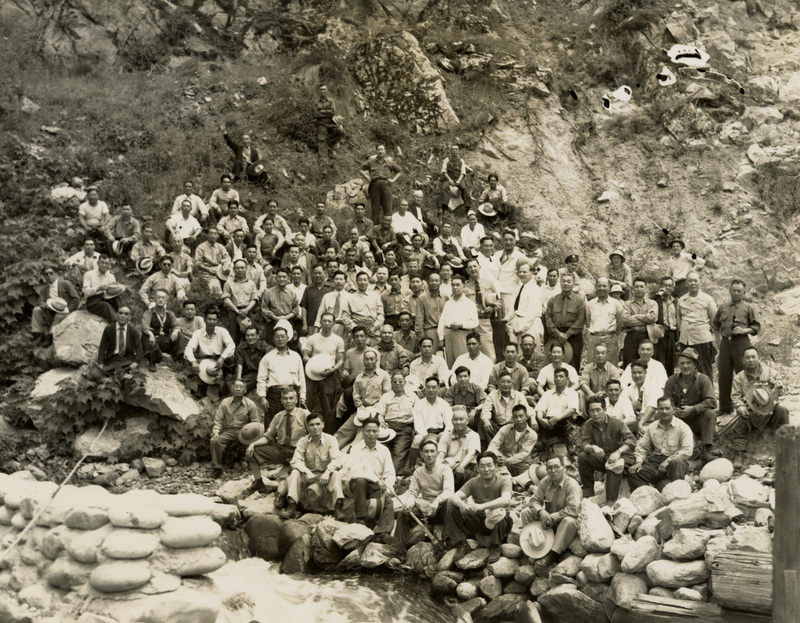
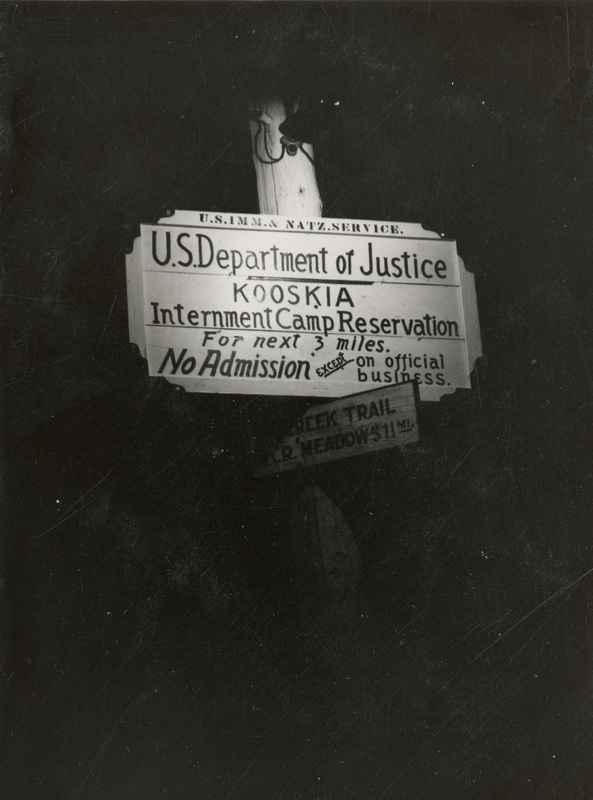
Featured Digital Collections
Kooskia Internment Camp Scrapbook
Following the Japanese attack on Pearl Harbor on December 7, 1941, President Roosevelt issued Executive Order 9066 which called for the incarceration of more than 100,000 Japanese and Japanese-Americans living in the US. In addition to Relocation Centers, commonly known as internment camps, the government operated Detention Camps for those people of Japanese descent categorized as disruptive. One such camp was located in Kooskia, Idaho.
You can learn more about how to navigate a digital collection, with K-12 teaching in mind, at How To Use.
Highlighted Items
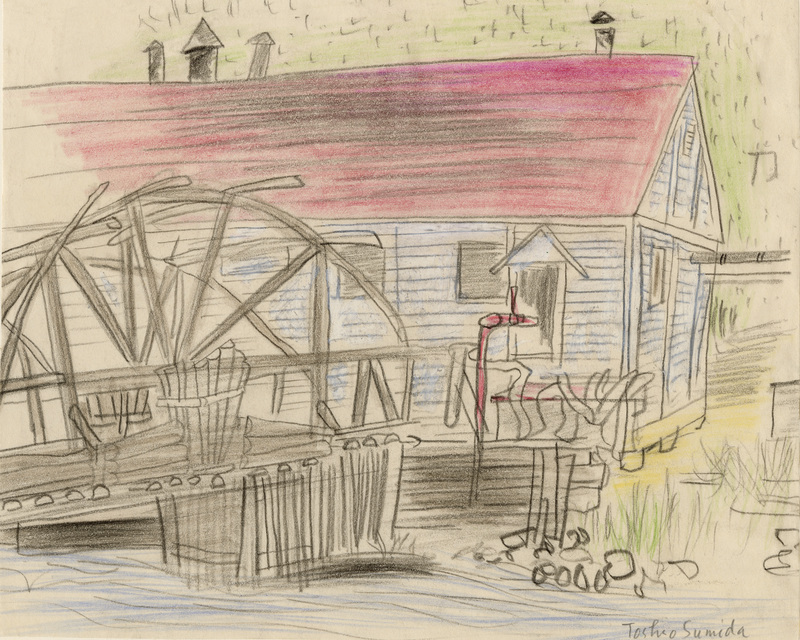
Shitamae Family Letters collection
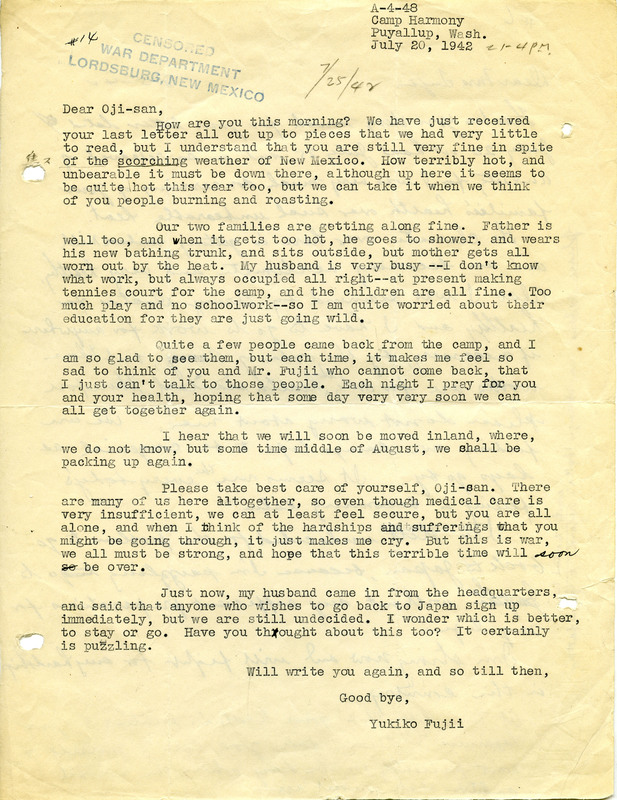
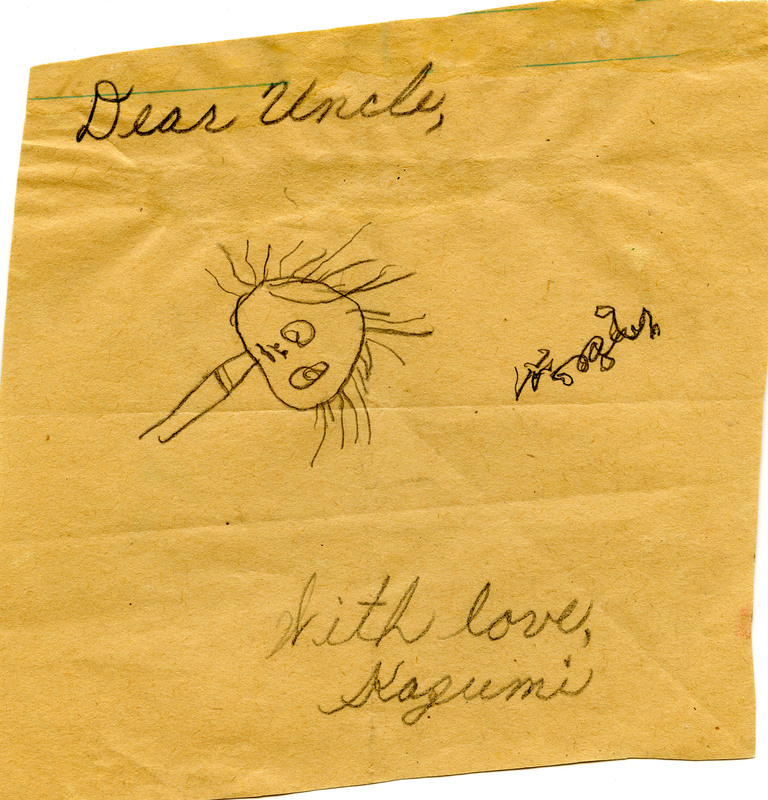
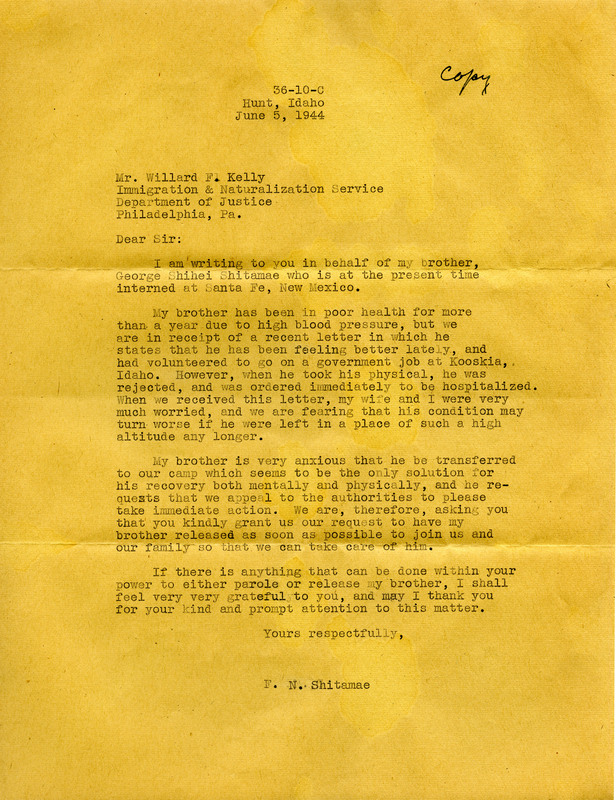
The link below will take you to the Shitamae family letters. Shihei (George) Shitamae was incarcerated at the Sante Fe Detention Center in Sante Fe, New Mexico during World War II. The letters in this collection were written by his family incarcerated at Camp Harmony, a temporary detention center located in Puyallup, Washington, and the Minidoka Incarceration Camp in Hunt, Idaho.
Highlighted Items
These are some highlighted items from the collection.
Idaho Histories
The link below will take you to Idaho Histories. Unlike the previous collections, this actually links to a ready to use OER resource called Idaho Histories. This is a short digital ebook that uses the Library of Congress method on inquiry described on our how to guide to encourage students to explore primary archival objects.
Highlighted Items
The Leisure Time at Kooskia Open Educational Resource combines inquiry questions with expert input from University of Idaho faculty.
Suggested Learning Standards
Suggest learning standards could go here.