
Regional Oral Histories of Idaho Inquiry Kit
How to use this page
This Regional Oral Histories of Idaho Inquiry Kit highlights digital resources curated with Idaho educators in mind. This page features basic context about a specific Idaho historical event, highlighted librarian-curated items, and links to larger collections teachers and students can explore.
The larger collections used in this kit are:
About Regional Oral Histories of Idaho
Oral histories are a unique form of primary source, adding additional layers of context and relatability to historical events when explored alongside photographs and documents. For K-12 students, the oral delivery of these first-person narratives creates an immersive experience that can inspire curiosity and deeper understanding of the material.
With the Latah County Oral History Collection, students can hear first-hand accounts of what it was like to live in Idaho through events such as Prohibition and the women’s suffrage movement. Similarly, the Rural Women’s History Project focuses on women’s experiences and roles across rural Idaho and how they’ve changed over time. The Hispanic Oral History Project explores the stories of Hispanic families who immigrated to Idaho, as well as the lives of their local descendants.
Featured Digital Collections
All of the linked Digital Collections follow a pretty standard format. You can learn more about how to navigate a digital collection, with K-12 teaching in mind, at this ~ link to be created ~ .
Hispanic Oral History Project
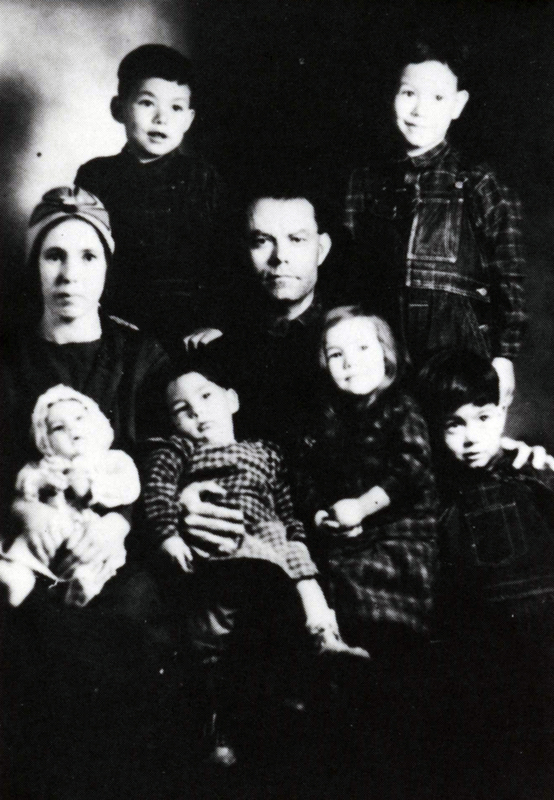
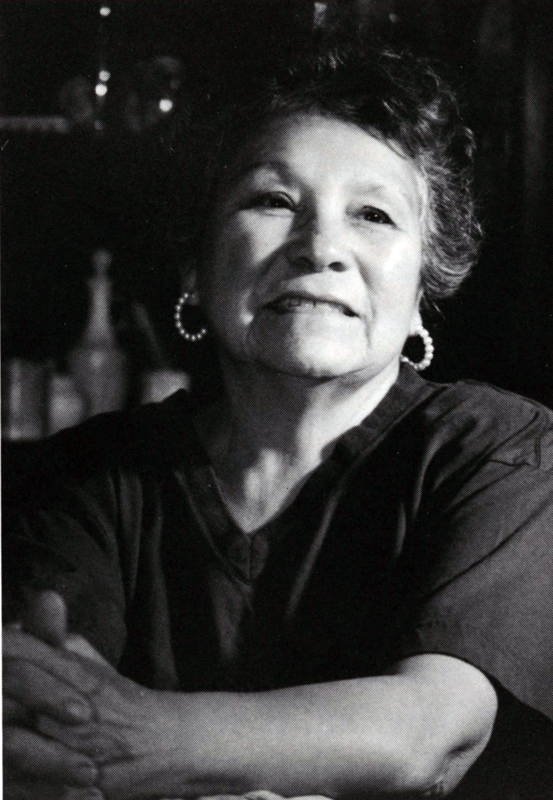
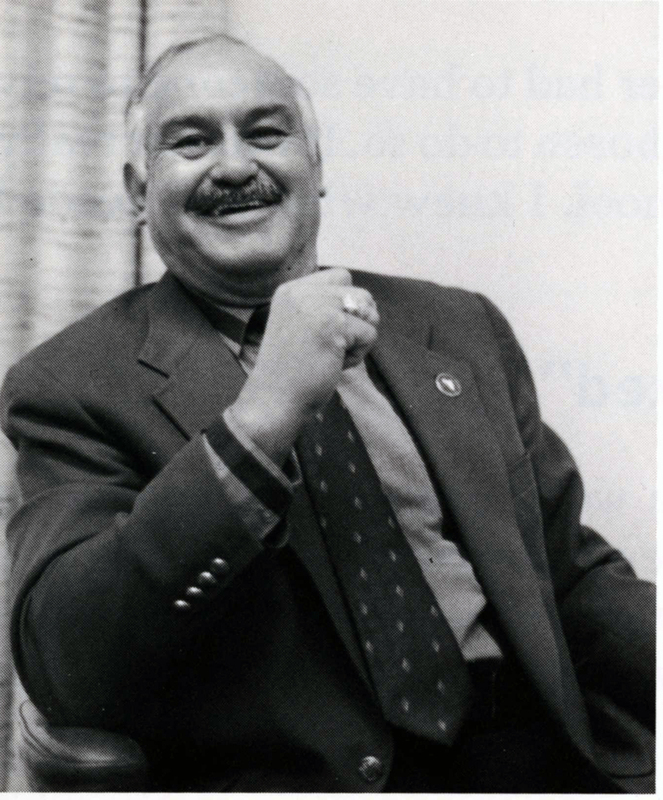
Originally produced in 1991, the Hispanic Oral History Project consists of 21 interviews of Hispanic immigrants and descendants who lived in Idaho. The project was sponsored by the Idaho Humanities Council, the Ethnic Heritage Committee of the Idaho Centennial Commission, and the Idaho Commission on Hispanic Affairs. The interviews from this collection resulted in the publication of the book Voces Hispanas: Hispanic Voices of Idaho. The interviews include topics on the Mexican-American and Hispanic-American experience of the interviewees in Idaho, family life, racial discrimination, farming, life during the depression, and education.
Highlighted Items
These are some highlighted items from the collection.
Latah County Oral History Collection
The link below will take you the Latah County Oral History Collection. This collection contains interviews with over 200 Idahoans which were recorded in the 1970s. The nearly 600 hours of oral history in this collection depict life in the Inland Northwest from the end of the 19th through the early 20th century.”
You can learn more about how to navigate a digital collection, with K-12 teaching in mind, at How to Use.
Highlighted Items

Rural Womens History Project
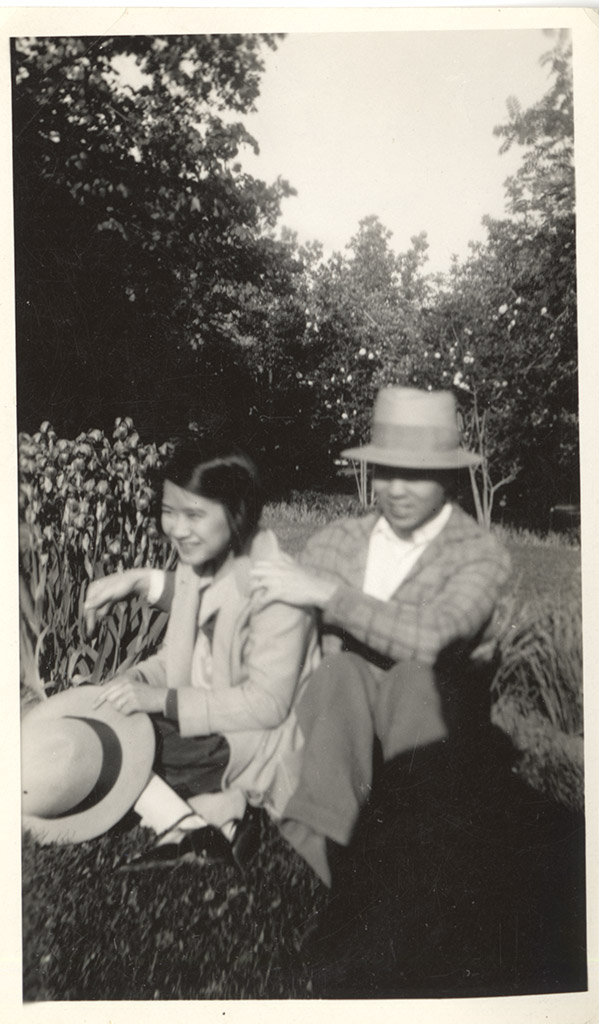
The link below will take you the Rural Women’s History Project. This collection consists of a collection of interviews that were designed and carried out by the University of Idaho Women’s Center in 1974 and selected to be digitized in 1974.
You can learn more about how to navigate a digital collection, with K-12 teaching in mind, at How to Use.
Highlighted Items
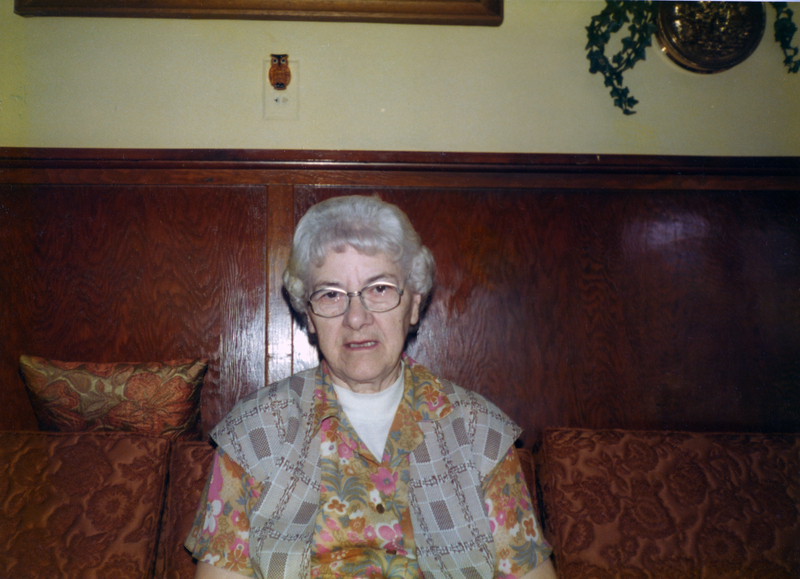
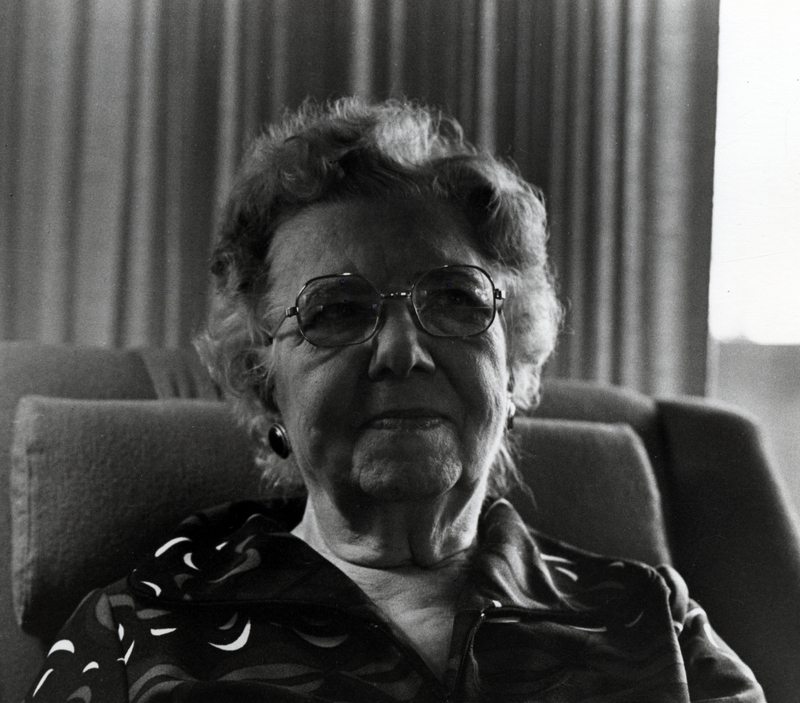
These are some highlighted items from the collection.

Relevant standard
4.SS.1.2.2 Describe the role of fur trading and the discovery of gold and silver in the settlement of Idaho
Suggest a standard
Are you a teacher in Idaho using this resource in the classroom? Suggest a standard you think might apply